



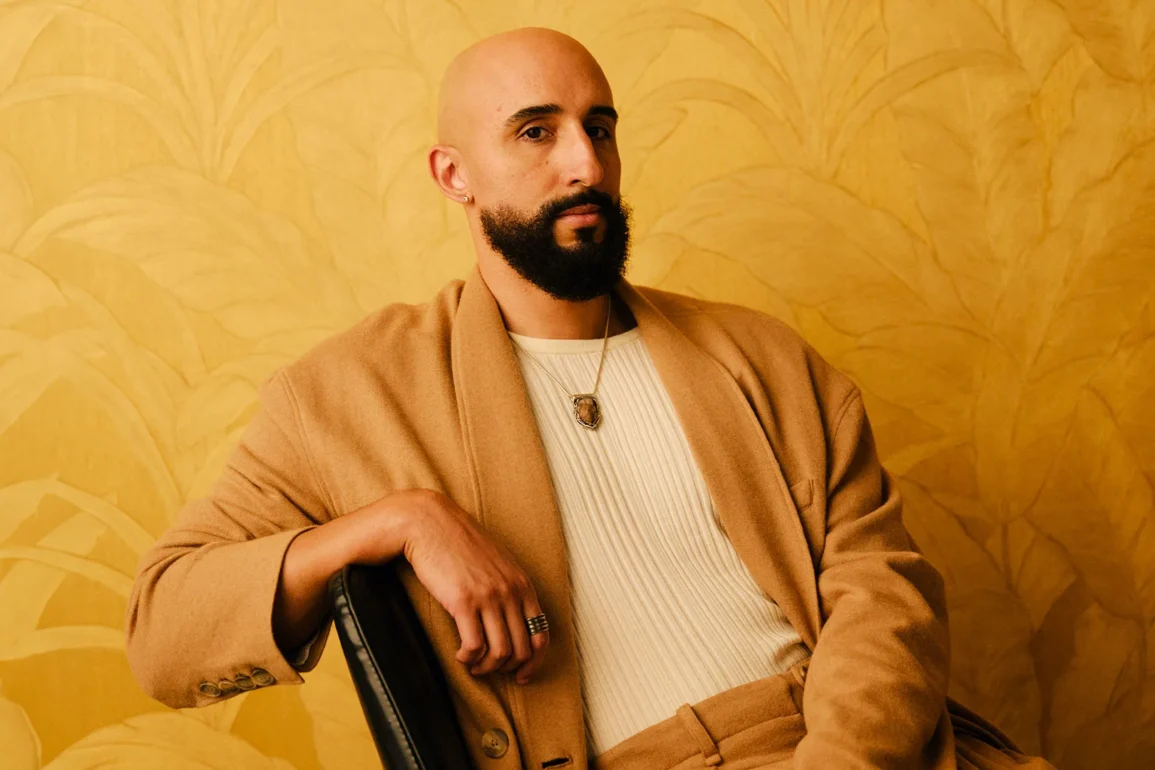
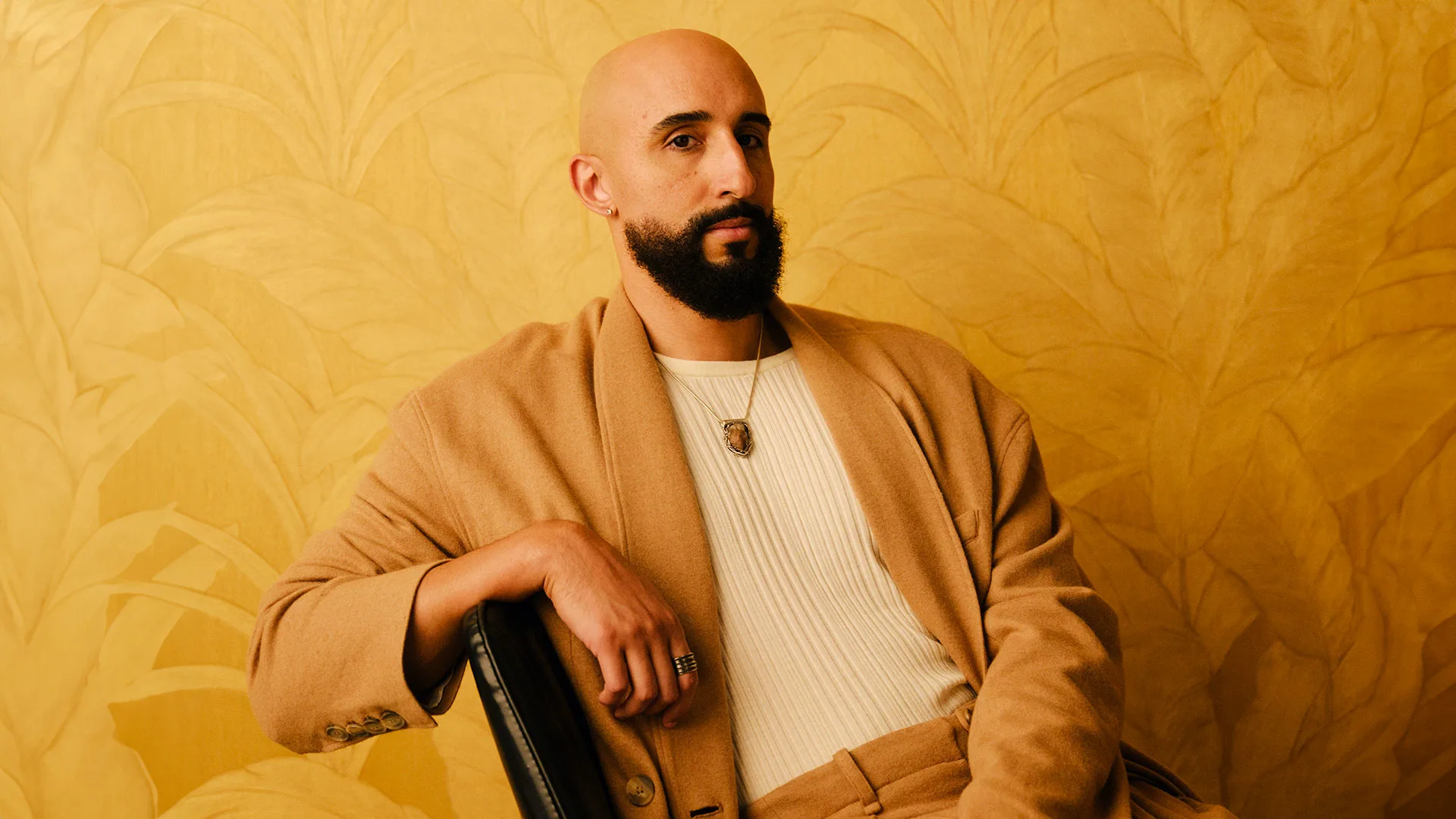
Just months after he was unceremoniously laid off from Twitter in the early days of Elon Musk’s takeover in November 2022, Alphonzo Terrell and his co-founder, DeVaris Brown, decided to build their own social network. Legacy platforms, they believed, had been falling down on the job of protecting their users, and as Musk set out to roll back even more of those protections in the transition from Twitter to X, Terrell had a hunch he wouldn’t be the only one looking for a less hostile alternative.
Nearly two years later, that hunch is paying off. In January, their app, Spill, saw its biggest surge in user signups since it launched in the summer of 2023. It’s a spike that followed a similar 280 percent increase in signups between the third and fourth quarters of last year. In the week after the election alone, Spill, which describes itself as being “built on a foundation of safety” and has been dubbed the second coming of Black Twitter, saw a 1,000 percent increase in new users. Not only that, but retention has also doubled over the past few months, and the company is now on pace to make more revenue in the first quarter of this year than it did in all of 2024.
“With everything going on, people are just like: I need to find a soft place to land,” says Terrell, who appeared on Inc. magazine’s November cover, for a story on “rebounder founders” who launched their own companies after being laid off from big tech.
Spill’s hypergrowth comes as old-guard social platforms and their billionaire owners have sought to ingratiate themselves with President Donald Trump. Following in X’s lead, Meta has rolled back hate speech protections specifically for immigrants and LGBTQ+ people, ended its fact-checking and diversity, equity, and inclusion programs, and limited its use of automated tools to identify harmful content.
Mark Zuckerberg, meanwhile, who has historically taken a meticulously non-partisan approach to politics, stood beside fellow billionaires, including Jeff Bezos and Sergey Brin, on the dais behind President Trump on Inauguration Day, and posted on Instagram that evening that he was “optimistic and celebrating.” That’s to say nothing of the way Musk has used X as a bullhorn for the Trump administration and for his own efforts to dismantle government agencies through his so-called Department of Government Efficiency.
All of it has fueled demand for digital communities that aren’t tied to the whims of the world’s richest men. Perhaps the biggest beneficiary of this trend has been Bluesky, which gained one million new users in the week after the election. That app is built on an open protocol, which enables anyone to adapt the experience by building their own apps or social networks on top of it.
Spill is still small by comparison, with over half a million total downloads. But it has been riding much the same wave of enthusiasm for online platforms that return power to their users. In that spirit, Spill is now preparing to launch an equity crowdfunding round on March 10 that will give users the ability to actually invest in a small stake of the company’s future.
Spill has already raised more than $6 million in venture funding. But Terrell says the crowdfunding campaign, which is aiming to raise up to $1 million, is as much about securing additional cash as it is about giving users a sense of ownership in Spill. “The capital is great, but we actually see it as a growth tactic, too,” he says. “It’s a way for people to really feel excited to share Spill with their friends and be like: Yeah, come to my social app.”
Equity crowdfunding rounds have gained in popularity since the 2012 passage of the JOBS Act, a law that allowed companies to issue securities via crowdfunding for the first time. That law opened the door to non-accredited investors, who make less than $200,000 annually and have a net worth of less than $1 million, to participate. A slew of platforms like WeFunder have since emerged to facilitate these transactions, and some startups have managed to raise millions of dollars through crowdfunding campaigns. In 2022, the coding platform Replit, which is now valued at more than $1 billion, raised $5 million through crowdfunding.
Terrell says that campaign validated the model for startups like Spill that have an active user base and plan to raise capital from traditional investors in the future. Investors in the crowd round will enter into an agreement giving them the right to obtain equity in Spill’s future financing rounds. For Terrell, giving users a stake in the company is a way of doubling down on his commitment to building a social network that does things differently. “A company that’s innovating in this new medium,” he said, “should have an innovative business model, too.”
The application deadline for Inc.’s Best Workplaces Awards is this Friday, March 7, at 11:59 p.m. PT. Apply Today.
This post was originally published on this site be sure to check out more of their content