



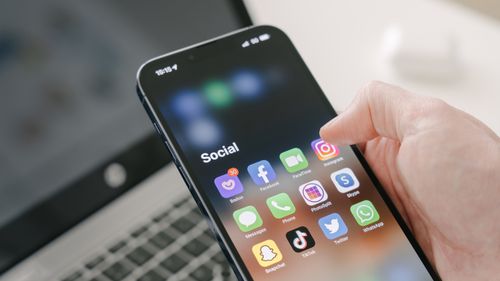
Rarely enforced age limits have been put in place since the dawn of social media. Facebook, for example, has always required users to be aged 13 and older.
But will the promised legislation actually work?
Other countries have put strict age bans to the test, with some varying degrees of success and failure.
The European Union in 2015 introduced similar legislation which banned children under 16 from accessing any online service without parental permission.
After public outcry, the legislation was changed so individual EU countries could pick and choose if they wanted to enforce this law.
The UK responded by keeping age limits for children aged under 13.
This ban was different to Australia’s proposed law as it meant children under 16 could still access social media if their parents allowed it.
In South Korea, a “shutdown law” was passed in 2011 which limited children under 16 from accessing gaming sites after midnight.
It wasn’t very successful as it was found children would use accounts in other people’s names to access sites after the shutdown time.
Meanwhile, in France, social media platforms are now required to restrict access for anyone aged under 15 without parental consent.
France is also looking at not allowing children to use smartphones at all until age 13.
States across the US have differing laws regarding social media use and some, including Ohio and Florida, have required parental permission for minors.
In 1998, the Children’s Online Privacy Protection Act (COPPA) was passed in the US, which required websites or online services to independently seek parental consent to access details of children aged under 13.
This didn’t really work, however, as it resulted in some platforms simply banning children altogether and subsequently mass online fraud.
Norway is also set to enact a strict age minimum of 15 following a fierce government campaign against social media giants.
There are major loopholes with the “parental consent” clause.
Most social media platforms simply have a box which asks users to say if they are over a certain age and if you have consent.
“If age-based restrictions are imposed, eSafety has concerns that some young people will access social media in secrecy,” Julie Inman Grant, national eSafety Commissioner of Australia, said during a June parliamentary inquiry.
“This may mean that they access social media without adequate protections in place and are more likely to use less regulated non-mainstream services that increase their likelihood of exposure to serious risk.”
It has been suggested social media companies should bear the responsibility of enforcing these age limits, rather than parents or guardians.
Australia’s proposed ban would see the likes of Facebook, Instagram or TikTok held accountable if the bans are skirted by users.
Online censorship to protect children has also been explored by other countries.
In China, guidelines were published in 2023 which proposed to ban young children from accessing the internet on mobile phones between 10pm and 6am.
Brazil and India also passed similar laws which restrict digital companies from accessing personal information of children.
Some experts have argued that blanket bans for underage kids don’t work – and that Australia will be no different.
Increased teenager isolation and kids being pushed to unregulated and dangerous platforms are just come of the potential unintended consequences.
“Social media allows these kids to connect with their peers across the country, providing a lifeline for this community that is all too often marginalised.
“At a time when school teachers are reporting that boys are being targeted and indoctrinated by misogynist influencers at alarming rates, banning them from mainstream social media risks pushing an impressionable group onto even less reputable platforms – where they are more likely to be exposed to toxic content and ideas.
“So instead of blanket bans, we should be encouraging tech companies to develop better tools to help parents educate their children.”
This post was originally published on this site be sure to check out more of their content