

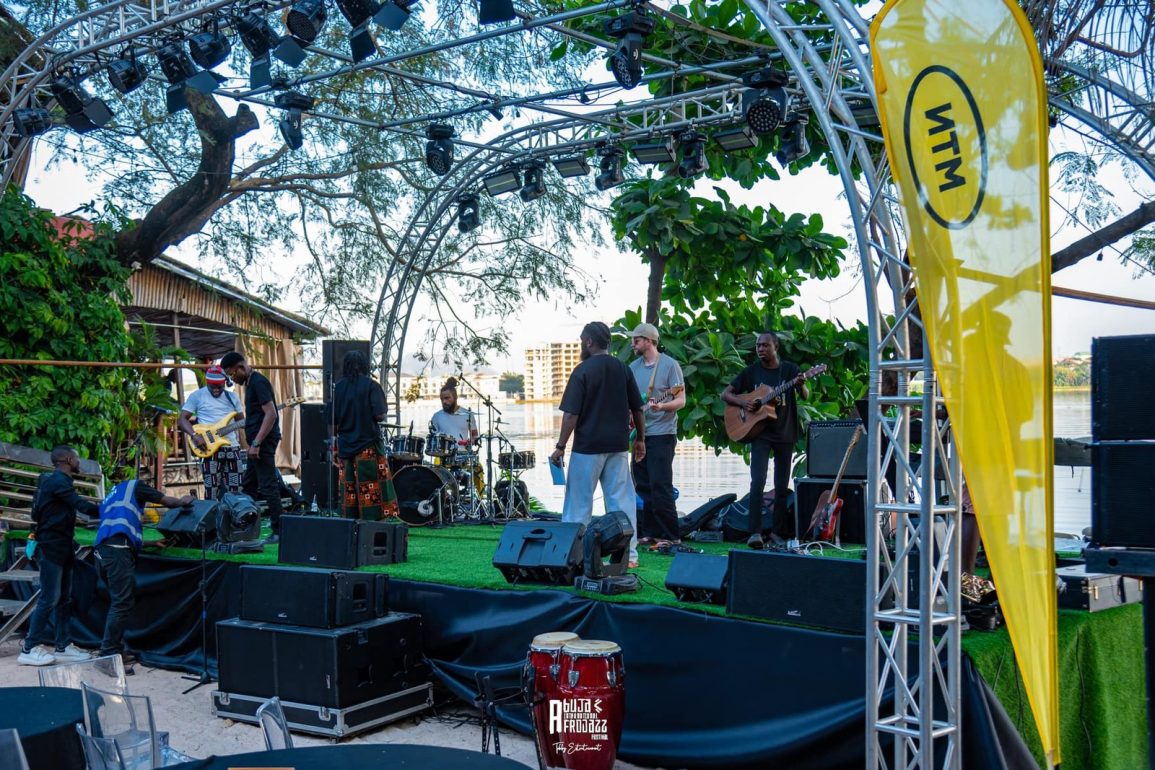
Abuja’s Afrojazz Festival added something most music festivals skip: two days where Nigerian artists sat down face-to-face with the people who book festivals, run labels and build careers.
Most festivals give an artist a stage, a sound check and a set time. The Abuja International Afrojazz Festival decided that wasn’t enough. For its fourth edition, it built a whole marketplace around the music, and it pulled in festival bookers and label people from Europe, Africa and the U.S. to meet Nigerian artists in person.
According to Daily Trust‘s Gbenga Adebayo, the festival launched its first Professional Music Market to connect Nigerian musicians and industry players with international festival organisers, record label executives, booking agents and music pros. The point, he reported, is partnerships, festival bookings, tours, co-productions and access to global music business networks.
Who was in the room
This wasn’t a panel of locals talking to each other. Daily Trust reported that the guest list included Idriss Ben Geloun of Senegal’s Saint-Louis Jazz Festival, a representative of Slovenia’s Druga Festival there for the European Jazz Network, and professionals tied to Le Rocher de Palmer and Collectif Koa in France, the Cotonou Couleurs Jazz Festival in Benin and the Togo Jazz Festival. Record label executives from the United States also came to talk about developing African artists’ careers and growing their audiences overseas.
According to The Nation, the market was set for Nov. 19 and 20 in Jabi, Abuja, with about 20 international industry professionals from 10 countries. Support came from the Institut français Nigeria, the European Union Delegation to Nigeria and ECOWAS.
Speed meetings, not just speeches
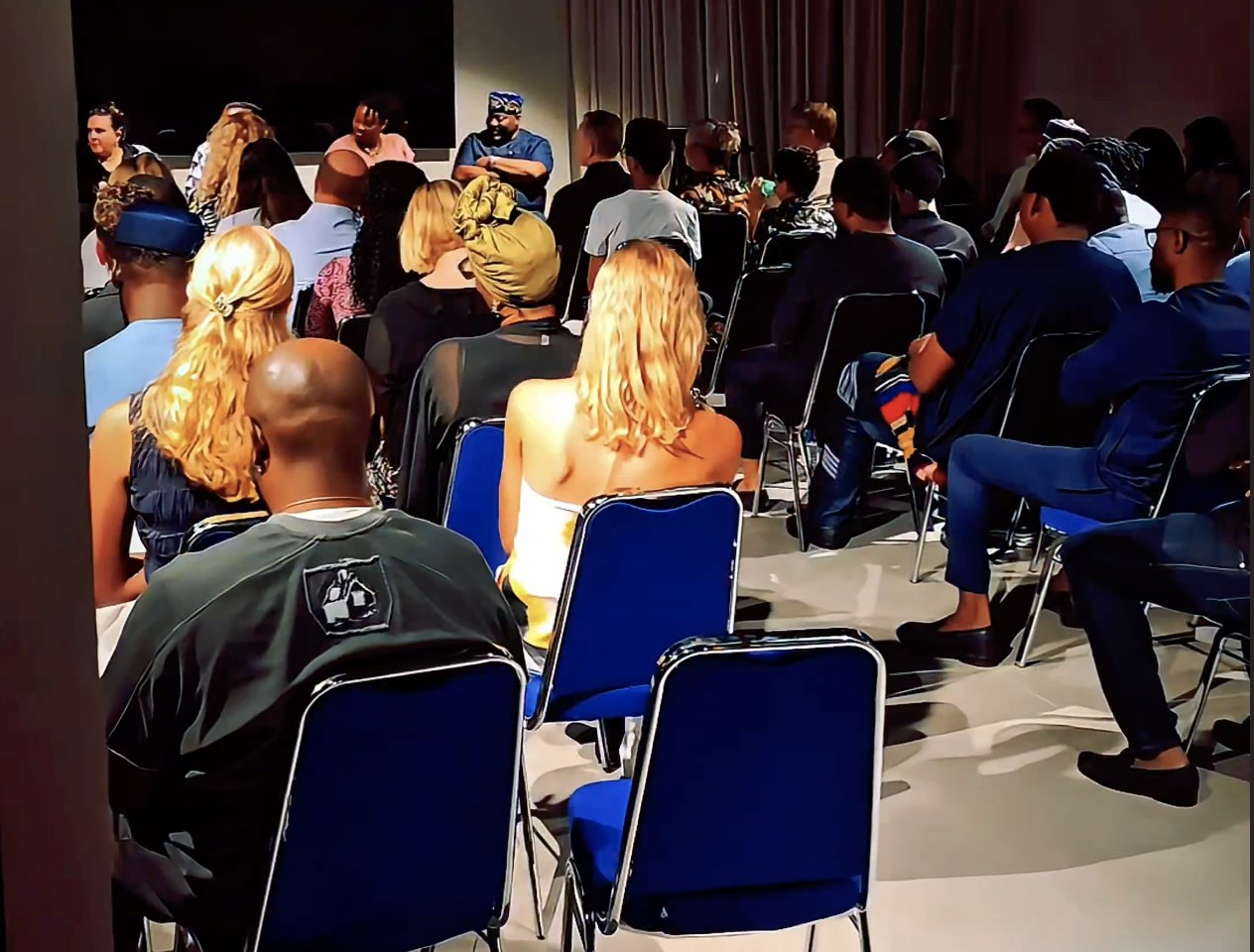
Here’s the part artists should care about. The two days, The Nation reported, mixed keynotes and panels with industry clinics, business-to-business meetings and one-on-one sessions between Nigerian artists and the visiting pros. Day one, themed CONNECT, covered African and global music ecosystems, intellectual property, monetisation and how digital tech is changing the business. Day two, CREATE & DEVELOP, looked at the European music ecosystem and how to build working partnerships.
Daily Trust said a major feature was the B2B Speed Meetings programme pairing selected artists and managers with visiting professionals to explore collaborations, plus an Artist Connect session for musicians, producers and managers to network. Nigerian contributors included music entrepreneur and talent development specialist Godwin Tom, representatives of AFRIMA and people connected to the World Intellectual Property Organisation (WIPO) and IPLAN. A Nigerian industry town hall was set up so local players could name the sector’s practical priorities.
“Into the same room as our artists”
Festival founder and director The Salako, who also performs, laid out the idea plainly. “Abuja is Nigeria’s diplomatic capital, and we believe it should also be a meeting point for African and global music,” he said, according to Vanguard‘s Ayo Onikoyi. “This year we are not only putting great artists on stage. We are bringing the people who book festivals, run labels and build careers into the same room as our artists.”
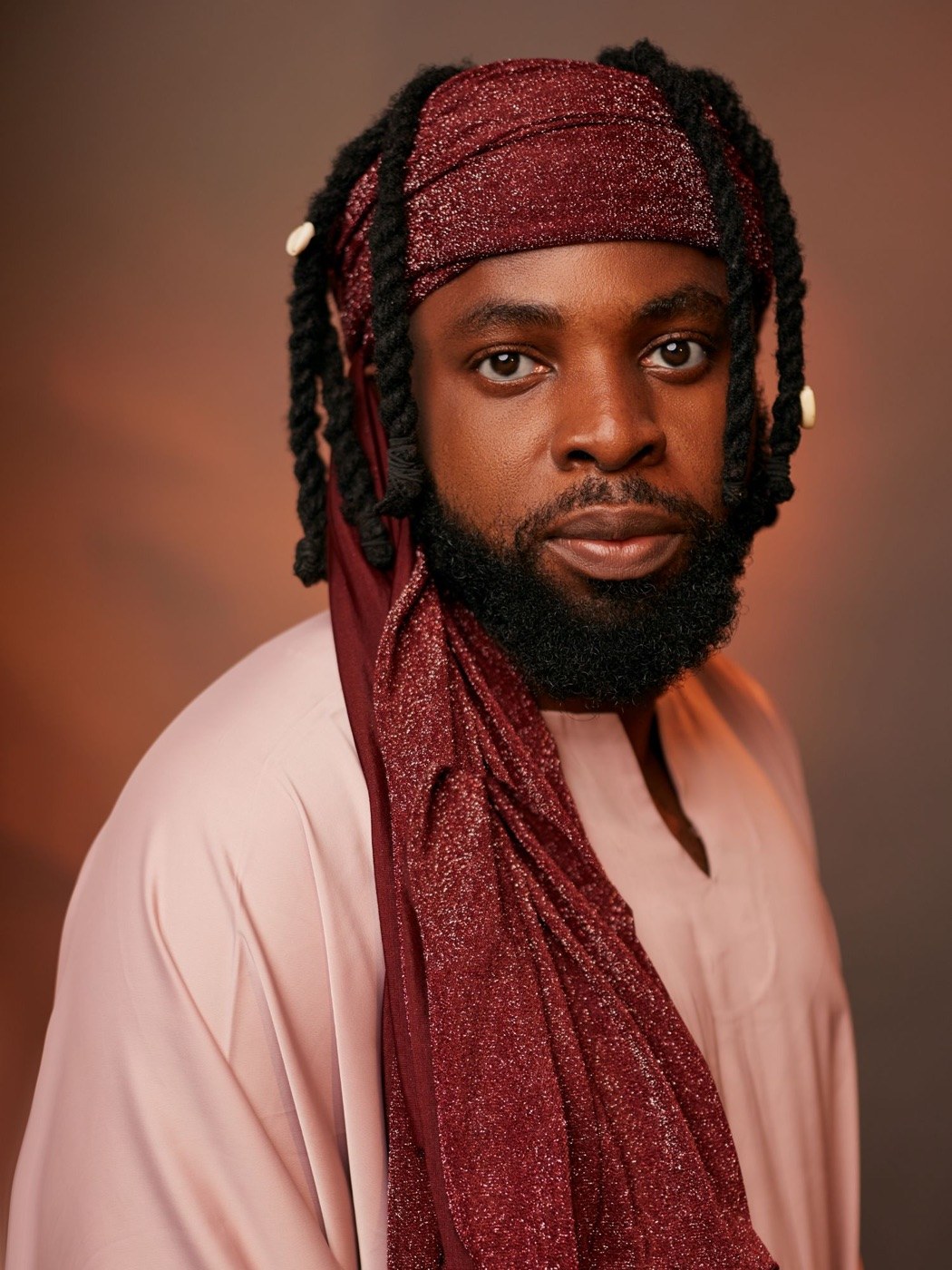
The festival also opened its showcase stage to outsiders. Vanguard reported that seven acts were picked from 75 applications from 26 countries, including four Nigerian performers and artists from the United Kingdom, Benin Republic and Austria, for showcase sets at The Nordic Abuja on Nov. 19 and 20. Founded in 2021, the festival drew more than 1,000 guests in 2025, including ambassadors from Sweden, Switzerland, Austria and Egypt, The Nation reported.
Three countries, one new sound
The networking didn’t stop at business cards. According to Tribune‘s Success Gbadeyan, the festival ran its first West African collaborative music residency, putting Benin Republic’s Pepe Oleka, Togo’s Papyrus and Abuja-based Pearl Rocker together to write original material during festival week. Instead of three separate sets, the residency was built around joint songwriting and experimenting, with the results set to debut at the Nov. 21 grand finale at BALI City Park in Wuse 2, Abuja.
Tribune reported that the residency is part of the festival’s developing West African AfroJazz Bloc initiative, meant to tighten cultural and professional ties between music communities in Abuja, Cotonou and Lomé, and to open doors for artist mobility, joint productions and future touring. The finale lineup also included Cobhams Asuquo, The Salako, Jessica Bongos, Adedeji and Gustavo Cerqueiras.
Organisers told Daily Trust the goal is to move beyond talk by creating lasting professional relationships and new international opportunities for African musicians.
The takeaway
The smartest thing about this festival isn’t the headliner. It’s that it treated access as part of the lineup. Booking agents, festival directors and label people are the gatekeepers most independent artists never meet, and here they were sitting across a table for a scheduled speed meeting. If an event near you offers B2B sessions, industry clinics or a showcase open call, that’s where your next tour date or co-production is more likely to come from than a cold email. Apply, show up prepared with your music, your story and your ask, and follow up after. And look sideways, too: the residency shows that artists from neighboring scenes building something together can be its own network, and its own way out to bigger stages.