


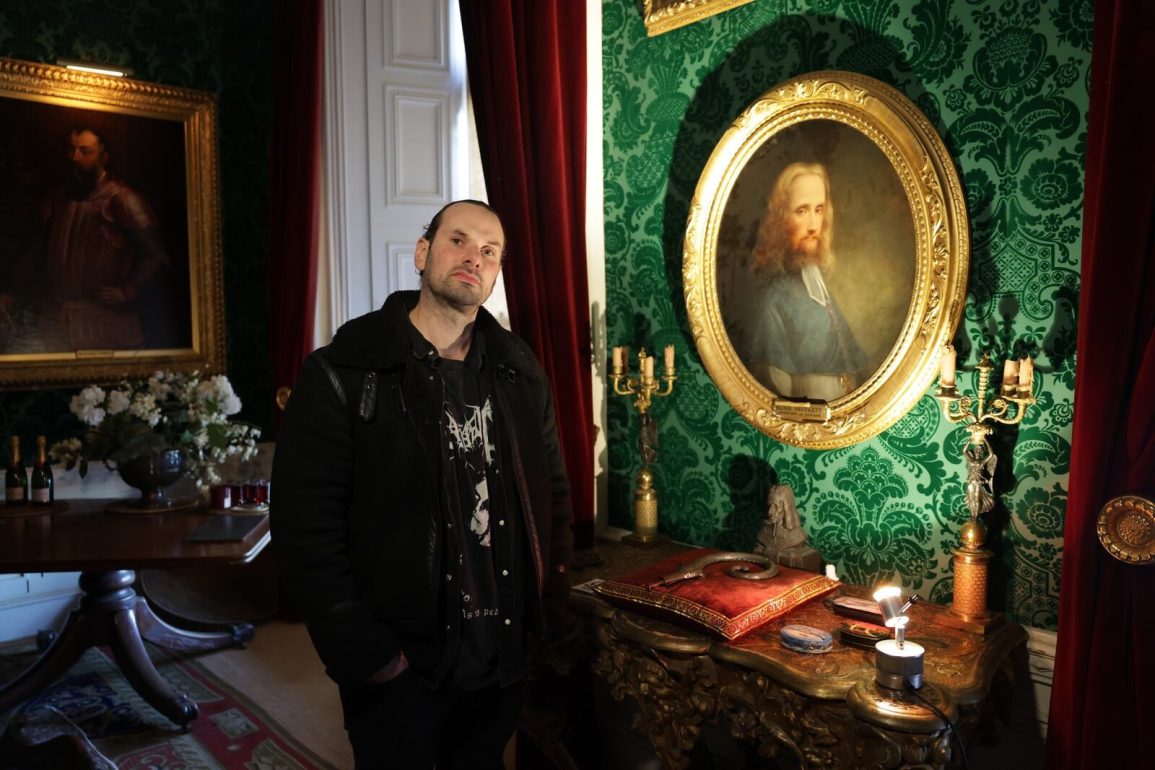
The baron who turned his Co. Meath estate into Ireland’s largest private nature reserve says he’s willing to auction his family’s paintings and the contents of his castle to fight a planned railway through it.
Some people sell art to pay rent. One Irish baron says he’ll sell his to take on the State.
According to The Irish Times‘ Louise Walsh, Randal Plunkett, the 21st Baron of Dunsany, is willing to sell his family’s art collection and the contents of his home to fund a legal battle against the proposed Navan rail line, which would cut through his rewilding project in Co. Meath. He said he would take the fight to the European courts if he has to.
“Money doesn’t matter to me, nature and a future for my children does,” he said. He told the paper he was prepared “to auction every painting in my house and its contents” to pay for legal challenges, then added: “And I have a lot of paintings.”
The railway on the table
According to the Meath Chronicle‘s Ann Casey, Iarnród Éireann (Irish Rail) published the preferred route for the new 34-kilometer electrified Navan Railway on Nov. 12. It includes four new stations at Dunshaughlin, Kilmessan, Navan Central and Navan North, with trains up to every 15 minutes at peak times, a journey of about 60 minutes between Navan and Dublin, and room for up to 4,400 commuters each way per hour. Navan is the largest town in Ireland not currently on the passenger rail network.
The route largely follows the alignment of the original line, which The Irish Times said closed in 1963. A second public consultation runs until 5 p.m. on Dec. 10, and a Railway Order application, similar to a planning application, is expected in 2028.
Why the baron is fighting it
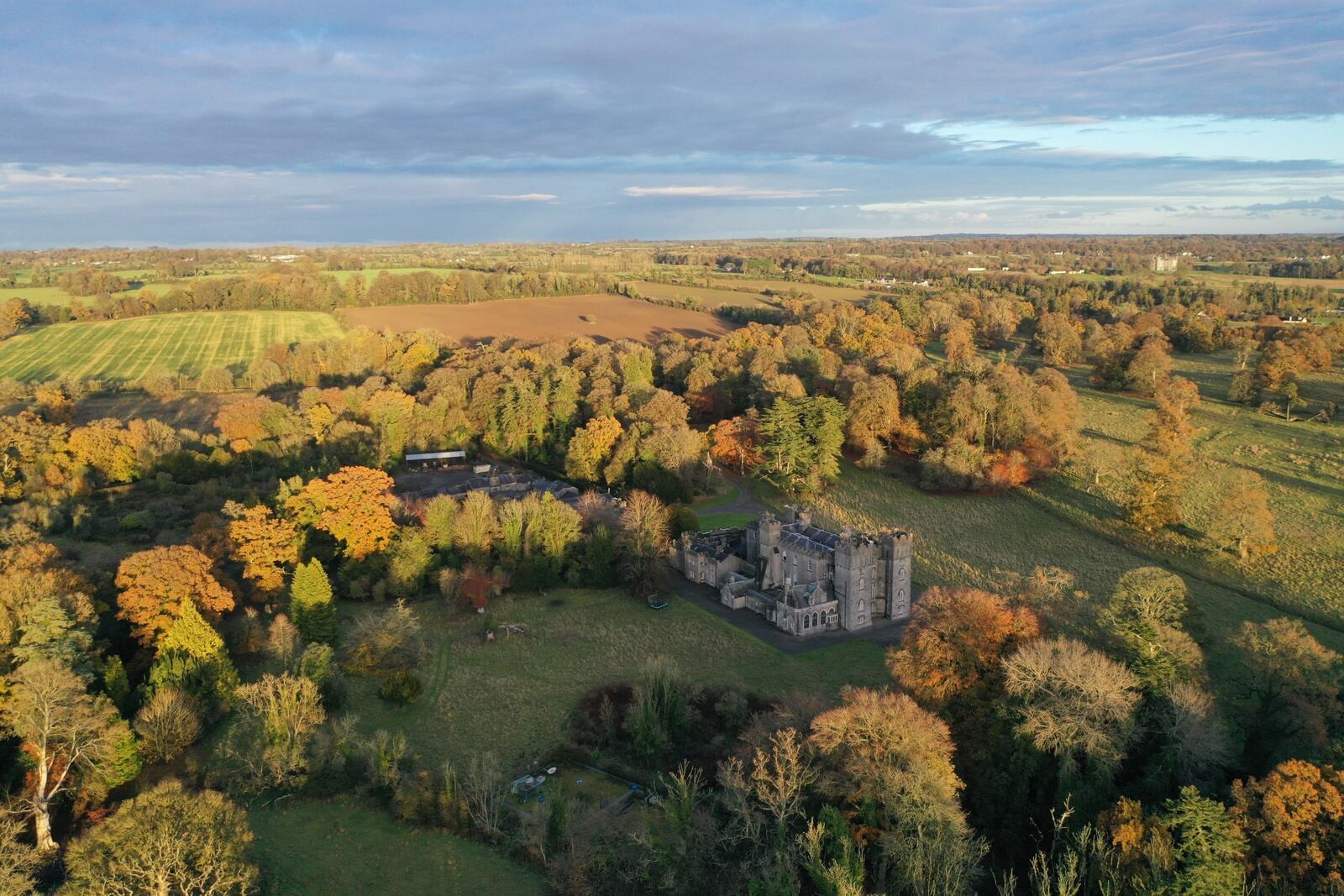
The preferred route would cut directly through a section of the Dunsany Nature Reserve, part of the 650-hectare estate. Plunkett stopped livestock farming in 2014 and quit using fertiliser, herbicide and pesticide. He told The Irish Times the reserve has since seen a 35 percent increase in bird populations and a doubling of insect populations, and that 13 of Ireland’s 54 red-listed bird species and eight of the nine native bat species have been recorded there.
He said the line would fragment the reserve’s central 192-hectare block and disputed a suggestion that it would only affect 2 percent of the reserve. He has put together a 54-page observation for the consultation, including a bat assessment, and plans to resubmit it before the Dec. 10 deadline.
“We support unreservedly the urgent expansion of public transport in the Greater Dublin Area and Co of Meath,” he said. “We do not, and will not, support any route that delivers that public good at the price of destroying the largest privately owned nature reserve in Ireland.” He argues that alternative routes via Dunshaughlin, Ratoath and Ashbourne would serve more people and avoid Dunsany entirely.
Irish Rail sees it differently. A spokesman told The Irish Times the route was based on the historic rail alignment and was also identified by Meath County Council as the preferred route, chosen to support planned development and give thousands of commuters a sustainable way to travel every day.
The art is the war chest
The pledge made it onto local radio, too. LMFM‘s show The Agenda covered it on Nov. 24, reporting that the fight would be funded by selling the family’s large art collection along with the contents of Dunsany Castle. Back in May, when the emerging preferred route was first unveiled, LMFM’s Louise Walsh reported that Plunkett called the plans an “absolute abomination.”
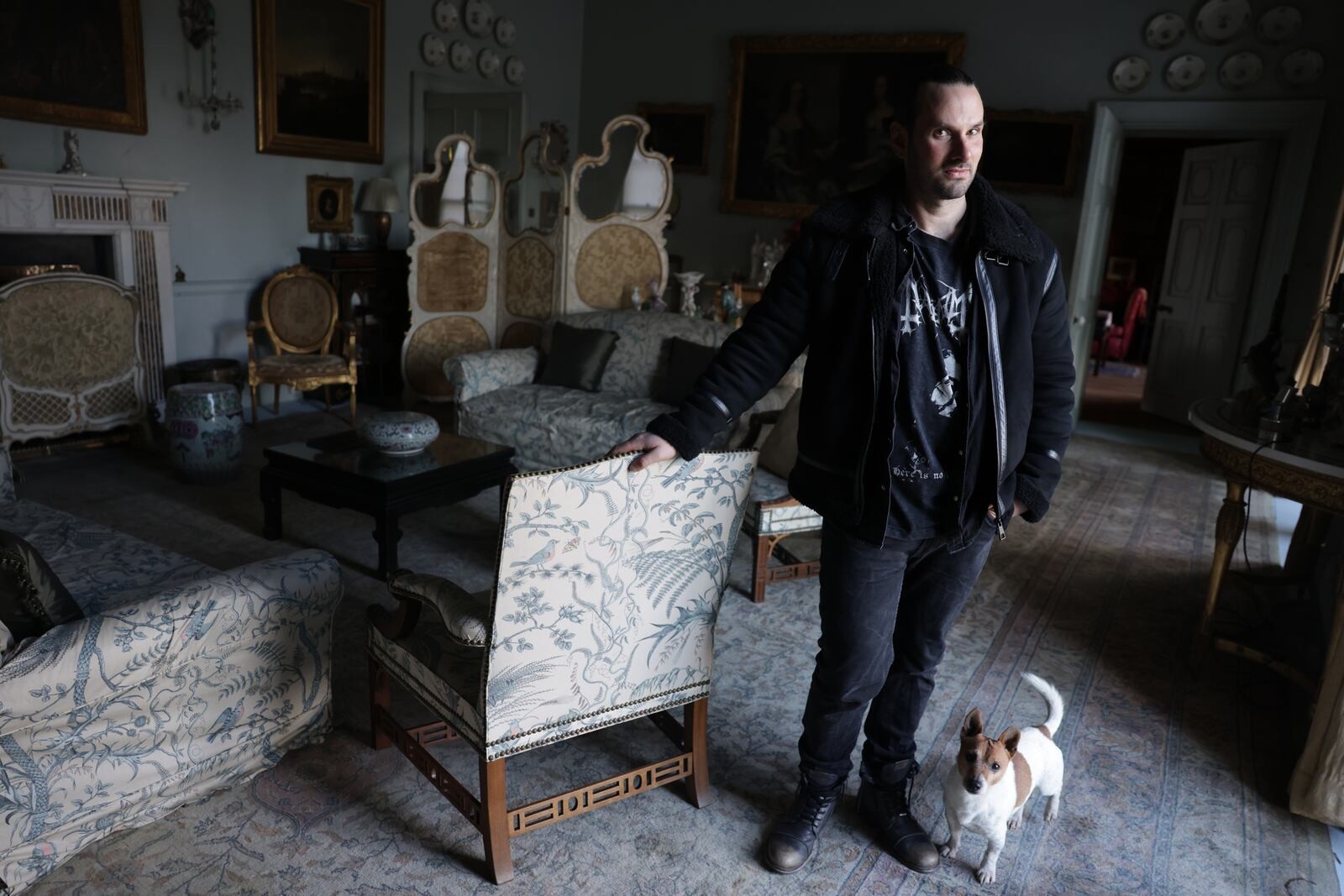
Still, this is a “willing to” for now, not a sale. None of the reports name an auction house, a date, specific works or a value for the collection. What is clear is the bet: Plunkett is treating generations of family art as cash he can raise if the legal bills come.
He also took a shot at the government. “At Dunsany, without a cent of public funding or any political support, we are actually achieving those targets,” he said, after pointing out that Ireland pays EU fines every year for missing water quality, biodiversity and nature restoration targets. “And now the same State wants to run a railway through the middle of it because of a marginal cost saving.”
The takeaway
Art is money on the wall, and the people who own it know it. When a collector needs cash for a lawsuit, a cause or a crisis, the paintings are often the first thing they reach for. That’s a reminder for independent artists: every piece you sell may come back to market someday, so keep good records of your titles, dates, sizes and buyers, because provenance is what helps work hold its value when it resurfaces. The flip side works too. Selling art to fund something you believe in is a real play at any level, from a castle full of old portraits to a table of prints at a benefit show. Just be clear about where the money goes, because a cause gives buyers a second reason to pay.
Image: The Irish Times