


Duetti, the Roc Nation-backed company that buys songs from independent artists, just lined up $665 million more to do it, and it’s mostly shopping for single tracks, not whole careers.
Wall Street wants your old songs. Not Bieber’s. Yours. According to Finurah‘s Nicole Duncan-Smith, Duetti, a music financing and catalog company backed by Jay-Z’s Roc Nation, announced on Nov. 17 that it had secured $665 million in new financing. That pushes its total raised since its 2022 founding past $1.3 billion. The pitch is simple: an artist trades future royalty payments for cash today.
Where the money comes from
According to Music Business Worldwide‘s Mandy Dalugdug, the package includes a $450 million asset-backed securitization (ABS) anchored by investment firm Carlyle, $165 million in additional credit capacity from Viola Credit and a $50 million side facility with Flexpoint Ford and Truist Bank. Finurah notes the package is debt, with its biggest piece backed by earnings from music copyrights.
In plain English, investors are lending against the royalties those songs keep paying. “We anchored this securitization because independent music royalties can generate the kind of recurring, diversified cash flows that asset-backed finance is built around,” said Akhil Bansal, Carlyle’s head of asset-backed finance.
MBW reported that Duetti had raised a little more than $635 million as of January, and that this is its third ABS deal in two years. Its first, in October 2024, raised $80 million. CEO Lior Tibon said the new one is “more than five times the size of our inaugural deal in 2024, demonstrating our rapid growth, strong track record and increasing institutional demand for our catalog and business model.”
Who’s actually selling
Duetti says it has done more than 1,600 catalog investments since 2022 and owns over 50,000 masters and compositions from more than 3,000 recording artists in over 50 countries. According to Digital Music News‘ Dylan Smith, its holdings include stakes in work by Drake producer Bnyx, Odd Future co-founder Casey Veggies, “Leave Me Alone” rapper Flipp Dinero, Curtis Waters and producer AK, among others.
The Financial Times‘ Daniel Thomas reported that as prices for the biggest stars’ catalogs climbed, Duetti focused instead on independent acts or artists popular in certain regions, such as Mexican musician Roland García. “The market is maturing very quickly, driven by the availability of data on the back of streaming,” Tibon told the FT.
You don’t have to sell everything
This is the part that matters for working artists. According to AllHipHop‘s Mike Winslow, Duetti will buy a single track or a portion of a song, as well as bigger catalogs, and it says single-track and partial-catalog deals make up more than 70 percent of its business. Deals can cover publishing, masters or royalty rights, depending on what the artist wants to sell. The company also advertises marketing support it pays for without recoupment, plus distribution and royalty collection, and counts Mario and 03 Greedo among its artist partners.
MBW added that Duetti’s catalog services include royalty optimization, playlisting and remixes. Translation: once Duetti owns a piece of your song, it has every reason to keep that song working.
The Jay-Z angle
The ownership irony isn’t lost on anyone. Finurah points out that Tibon was previously chief operating officer of Tidal, the streaming service Jay-Z bought in 2015 and sold a majority stake in to Jack Dorsey’s Square years later. Back in April 2015, Jay-Z tweeted: “Indie artists who want to work directly w/ us keep 100% of their music.” Roc Nation took part in Duetti’s $32 million funding round in 2023, Finurah reported.
AllHipHop was careful on one detail: Roc Nation is on Duetti’s investor list alongside Nyca Partners and The Raine Group, but the announcement doesn’t name Jay-Z as a personal contributor to this round.
Not everybody is buying the boom
Music bonds are big business. The FT reported that more than $8 billion in music securitizations have been issued since 2020. But MBW noted that credit rating agency KBRA expects the music ABS deals it rates to fall about 25% in 2026, to slightly more than $2.5 billion, “primarily because of continued issuer consolidation.”
Finurah also flagged what’s at stake on the artist side: a lump sum could fund a tour, start another business or wipe out debt, but selling could also mean giving up decades of royalty income that might keep growing. It pointed to T.I.’s lawsuit against Cinq Music Group over his Atlantic-era masters as a reminder that contract terms and timing matter.
The takeaway
The money lining up for independent music says one thing loud and clear: your catalog is an asset, and people with spreadsheets have already done the math on it. Before you take an offer from anyone, do your own math. Know what each song earns per year, which rights you actually control and whether you’re selling masters, publishing or just a royalty stream. Selling one track to pay for a tour can be a smart hustle. Selling everything because the check looks big can be a decision you live with for decades. Get the numbers, get a lawyer and get more than one offer. If big money thinks your songs are worth buying, they’re worth valuing like it.
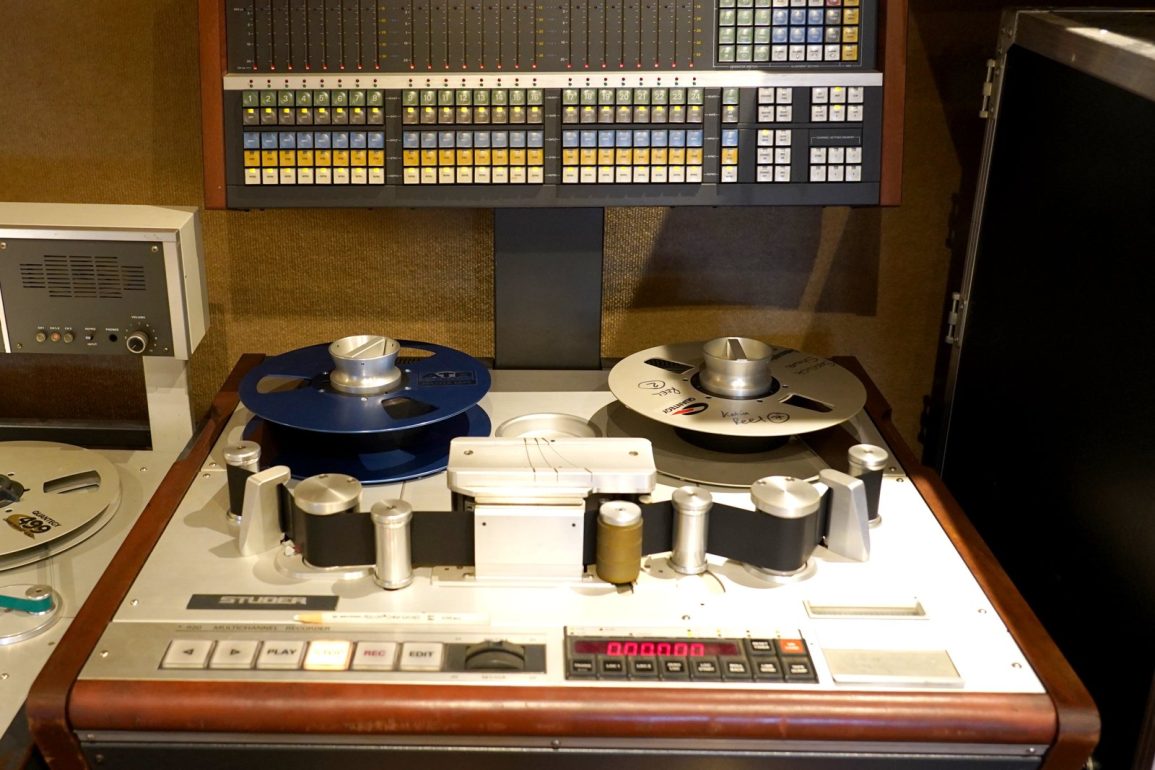
Image: Steve Knight via Wikimedia Commons (CC BY 2.0)