


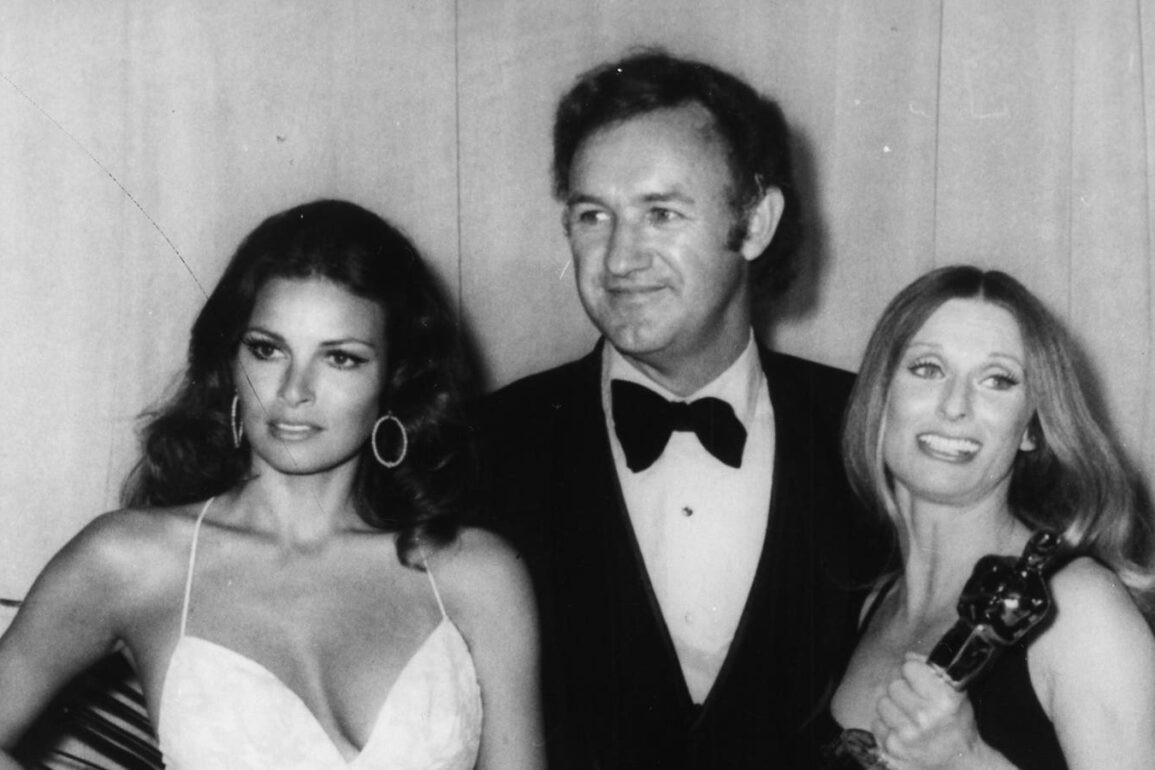
It’s the sort of news that no one wants to hear: Gene Hackman, a beloved actor,. Following this tragedy, people from all over the world flooded to social media to mourn.
In this environment, the online world serves an important purpose: a place where people can share collective grief in a non-judgemental zone.
Social media, then, can assist people in managing negative feelings, shifting them into positivity and helping people feel connected and part of a community.
Let’s explore how this happens.
Who Is Gene Hackman? And How Did He Die?
Gene Hackman was an Oscar-winning actor. Over six decades he appeared in a range of beloved movies, including The French Connection, Unforgiven, and The Royal Tenenbaums.
Over his career, he received a raft of awards, including two Oscars, four Golden Globes and two Baftas.
Sadly, the actor was found dead with his wife, Betsy Arakawa, and their pet dog in their home in New Mexico. Hackman was 95 and Arakawa was 63.
A statement from the Santa Fe County Sheriff confirmed the deaths, before going onto say that “at this time we do not believe that foul play was a factor.”
At the time of writing though, there is no clear reason behind the passing of Gene Hackman and Betsy Arakawa. This will all come out in good time, but isn’t the focus of this article.
Instead, our goal is to look at how upsetting events like this play out online, and how they can mitigate the oft-held negative beliefs around social media.
How Did Social Media React To Gene Hackman’s Passing?
The response online has been one of collective grief and mourning. Whether it’s on Facebook, Twitter/X, or TikTok, people are coming together to remember Gene Hackman and his work.
This includes people sharing scenes of their favorite performances:
Simply posting about their sadness:
What made Gene Hackman special:
Or even stories about him from other famous figures:
While all these posts approach the news of Gene Hackman’s passing from different angles, one thing unites them all: mourning.
People are celebrating the actor’s life and grieving his passing, so let’s delve a little deeper into why that is.
What Does The Internet’s Reaction To Gene Hackman’s Death Mean?
The online world can sometimes be a divisive place. Social media is constructed in such a way that extreme reactions receive the most engagement, spreading far and wide across various networks.
This can lead to many situations where it feels as though people “take sides” and there’s little unity or even a middle ground. It goes some way to explaining why 78% of U.S. adults believe social platforms are too powerful and have too much influence over society.
Because humanity is often wired up to seek the negative, it’s often these parts of the online world that get the most attention—but this hardly tells the full story of how social media weaves through society. There are a raft of positive elements too, and helping with mourning is one of them.
Research shows that grief is a “taboo topic.” Because individuals feel there’s a stigma to it, they try and cope independently, rather than seeking support from those around them.
In other words, grief can make people feel guilty or shameful, so choose to suffer alone. This experience can be intensified when a public figure like Gene Hackman dies.
Fundamentally, although many fans of the actor didn’t know him, they’ll have spent hours in his company, watching his work and feeling connected to him. Artists of any variety can have a profound impact on someone’s life, even if they’ve never shared the same country or even continent, let alone had a conversation. Yet it doesn’t mean that a public figure like Gene Hackman doesn’t mean a lot to people.
This is where social media comes in.
While people can experience shame if they mourn the passing of an artist to people physically close to them, the same thing doesn’t occur online. Studies report that social networking sites enable individuals to “grieve in a way they are not able to otherwise,” which can help manage mourning and reduce the feelings of sadness around death.
The Grief Recovery Center states that talking through these sorts of emotions are a key part in working through grief, and are a vital cog in completing the mourning process.
If people worry about judgement or mockery from those close to them, heading to social media to share and have their feelings validating is an important step in handling something like the death of Gene Hackman.
Ultimately, we all must face death one way or another. Whether it’s friends, families, artists or anyone in between, it’s a natural part of life.
What isn’t set in stone though is how we deal with grief. Of course there are our close units, our partners and pals, who can help share this load, but, sometimes, that’s not enough.
In these instances, social media operates as a great uniting force. Fans from across the world can come together and share stories and grieve in their own way about Gene Hackman, or really any other figure. There’s little divisiveness, instead it’s a collective swell of joining in mourning and celebration.
Despite what we often hear, social media can be an incredibly positive and healthy place. It’s just all about how you choose to use it.
All that’s left to say is rest in peace, Gene Hackman, you’ll be remembered.
Read more of my writing at The Rectangle.
This post was originally published on this site be sure to check out more of their content