


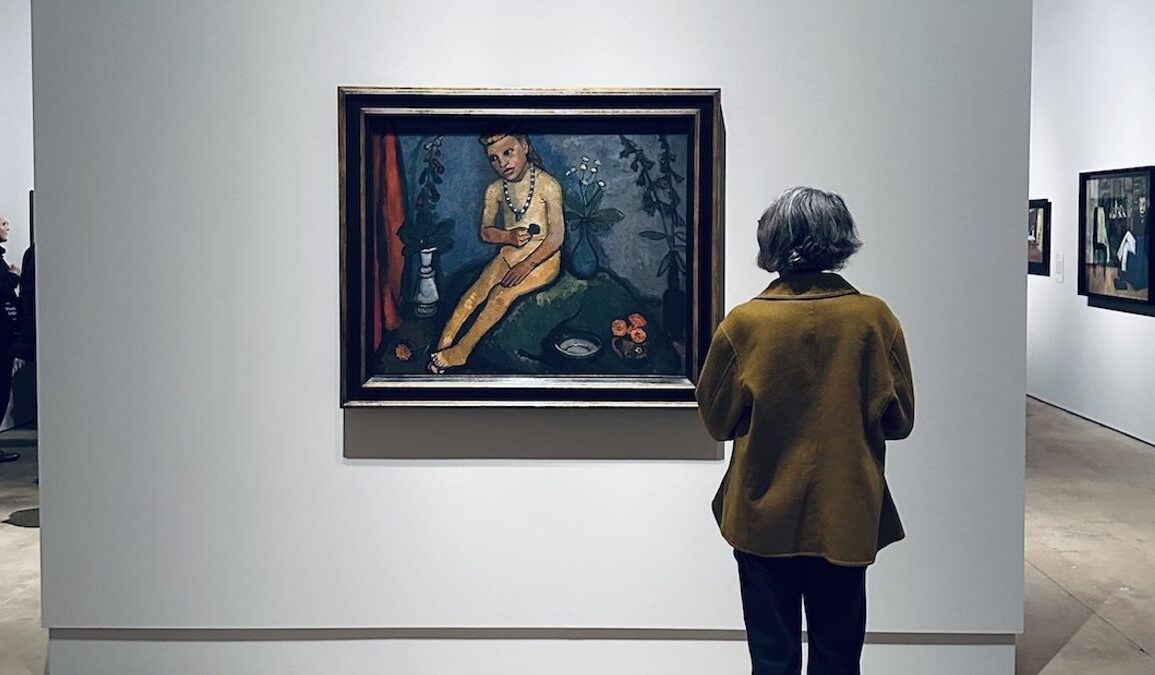
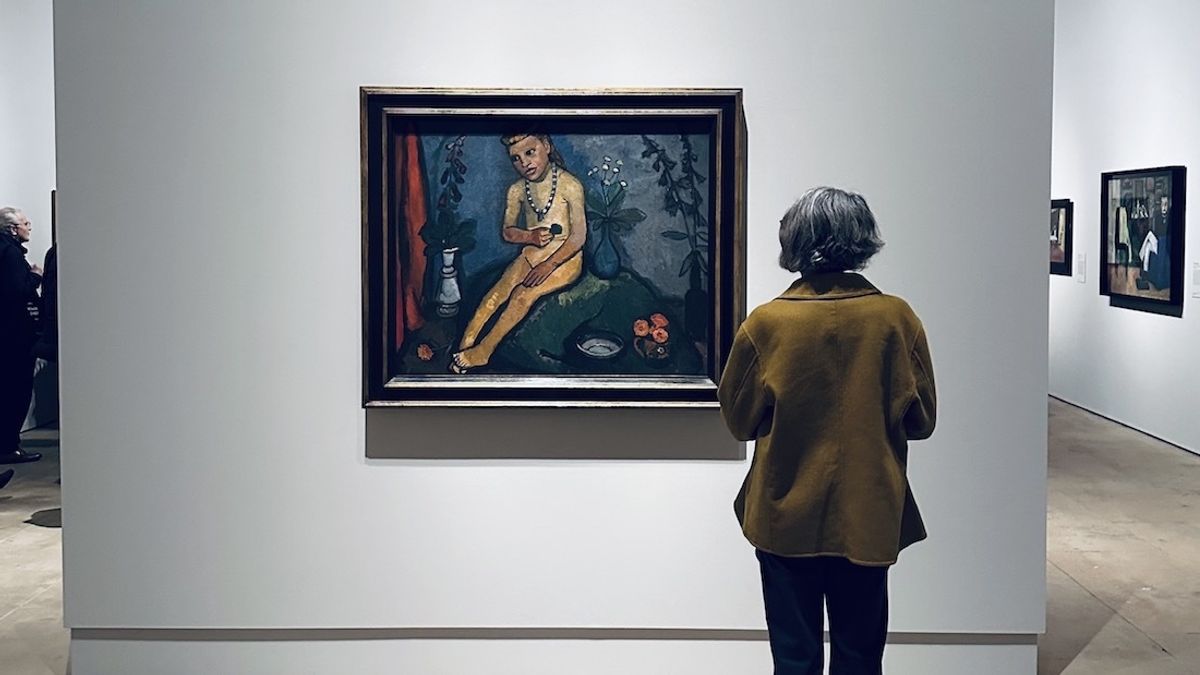
In the heart of Europe, a transformative art exhibition titled ‘Maestras. Women Masters 1500-1900’ unfolds, challenging the longstanding gender disparities in the art world. Co-hosted by the Arp Museum in Germany and the Museo Thyssen-Bornemisza in Madrid, this show casts a spotlight on women artists who have been overshadowed by their male counterparts for centuries. From the mystical visions of Hildegard of Bingen to the vibrant abstracts of Sonia Delaunay, the exhibition narrates a forgotten chapter in art history, redefining the narrative around women’s contributions to the discipline.
A Journey Through Time
As visitors walk through the exhibition halls, they embark on a journey back in time. Each room, meticulously curated, showcases the evolution of women’s roles in art from the Middle Ages to Modernity. The diversity of styles and subjects is profound, ranging from the religious visions expressed in the art of Hildegard of Bingen to the revolutionary abstracts by Sonia Delaunay. Noteworthy is the inclusion of artists such as Galizia, known for her striking depiction of Judith with the head of Holofernes, and Mary Cassatt, an American Impressionist who focused on the intimate world of women and children. This chronological arrangement not only highlights the individual genius of these artists but also paints a broader picture of the societal shifts that allowed for their gradual recognition.
Breaking Barriers
Despite the recognition these artists are receiving today, the journey to this point has been fraught with obstacles. Gender inequality in the art world has been a persistent issue, with women artists historically underrepresented in museum collections and galleries. The ‘Maestras’ exhibition, therefore, serves as both a celebration and a critique, underscoring the need for greater visibility and recognition of women’s contributions to art. By bringing to light the works of artists like Élisabeth Louise Vigée Le Brun, the portraitist of Marie Antoinette, and Maddalena Corvina, known for her portraits and still lifes, the exhibition challenges the narrative that has long marginalized women artists.
A Call to Action
The ‘Maestras’ exhibition is not an isolated event in the fight for gender equality in the art world. Similar initiatives, such as the ‘Burning Down The House: Women and Art in an Uncertain World’ exhibition in Newburyport, MA, continue to address the ongoing struggle for women’s rights through the lens of art. These exhibitions are a testament to the transformative power of art as a form of resistance and a call to action for the art community and the public at large. The goal is not only to celebrate the achievements of these women artists but also to inspire a reevaluation of the systems and structures that have kept them in the shadows.
In conclusion, the ‘Maestras. Women Masters 1500-1900’ exhibition is more than just a showcase of women’s art; it is a pivotal moment in the ongoing dialogue about gender equality in the art world. By elevating the voices of women artists who have been overlooked and undervalued, the exhibition invites us to reconsider the narrative of art history and the role of women within it. It is a reminder that the canvas of history is vast and varied, and every artist, regardless of gender, deserves a place on it.
This post was originally published on this site be sure to check out more of their content