



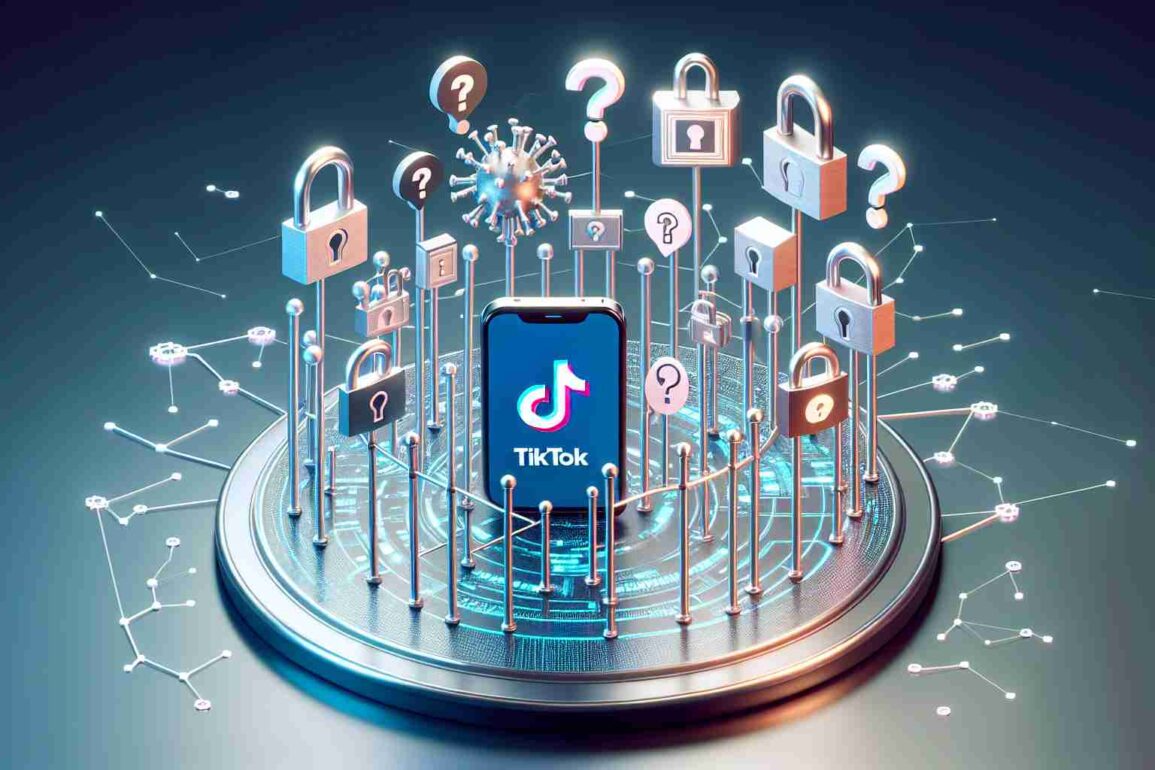

TikTok, the controversial social network that has taken the world by storm, has been the subject of much debate and scrutiny. While some argue that it is harmless fun, others raise concerns about its impact on mental health, misinformation, and data privacy. So, is TikTok really a safe social network?
When we consider immediate safety, TikTok appears to be relatively risk-free. Millions of people use the app daily without experiencing malware or data theft. However, there are underlying issues that become apparent when we examine the bigger picture. TikTok has been criticized for being addictive and contributing to attention deficit problems due to its constant stream of short video clips. This can be particularly concerning for teenagers and students who may find themselves distracted from their studies. Furthermore, like other social media platforms, TikTok can distort a person’s self-image as influencers strive to portray an unrealistic standard of beauty and success.
Misinformation and disinformation are also prevalent on TikTok, despite the platform’s moderation efforts. False claims about elections, vaccines, and other topics have managed to slip through the cracks, potentially leading users into ideological bubbles. Additionally, TikTok’s ownership by ByteDance, a Beijing-based company, has caused concern over the potential exploitation of user data by the Chinese Communist Party. While ByteDance denies any interference from the CCP, the US government has banned TikTok on federal devices due to these concerns.
Data collection is another area of caution. TikTok gathers personal information, similar to platforms like Facebook and Instagram, in order to tailor advertisements. However, if privacy is a priority, it may be best to avoid TikTok altogether.
In addition to these inherent risks, TikTok users need to remain vigilant against scammers. Fake lotteries, romance/catfishing scams, counterfeit products, investment scams, impersonation accounts, and fake tech support are among the common threats users should watch out for.
Considering all these factors, it is advisable to approach TikTok with caution. While immediate safety on the app may not be a significant concern, users should be aware of the potential risks and exercise vigilance while engaging with the platform.
Frequently Asked Questions (FAQ) about TikTok:
Q: Is TikTok a safe social network?
A: In terms of immediate safety, TikTok appears to be relatively risk-free as millions of people use the app daily without malware or data theft issues. However, there are underlying concerns regarding mental health, misinformation, data privacy, and scams.
Q: What are the concerns about TikTok’s impact on mental health?
A: TikTok has been criticized for being addictive and contributing to attention deficit problems, particularly among teenagers and students. The constant stream of short video clips can distract users from their studies. Moreover, influencers on TikTok often promote unrealistic beauty and success standards, which can negatively affect a person’s self-image.
Q: What is the issue with misinformation on TikTok?
A: Despite efforts at moderation, misinformation and disinformation are prevalent on TikTok. False claims about topics such as elections and vaccines can slip through, potentially leading users into ideological bubbles.
Q: Why is there concern about TikTok’s ownership by ByteDance?
A: TikTok is owned by ByteDance, a Beijing-based company. Concerns have been raised over the potential exploitation of user data by the Chinese Communist Party (CCP). While ByteDance denies any interference from the CCP, the US government has banned TikTok on federal devices due to these concerns.
Q: Does TikTok collect personal data?
A: Yes, TikTok gathers personal information, similar to platforms like Facebook and Instagram, in order to tailor advertisements.
Q: What are the risks for TikTok users?
A: TikTok users need to be vigilant against various online threats such as scams. Common threats include fake lotteries, romance/catfishing scams, counterfeit products, investment scams, impersonation accounts, and fake tech support.
Definitions:
– Misinformation: False or inaccurate information that is spread unintentionally.
– Disinformation: False or inaccurate information that is spread intentionally to mislead or deceive.
– Moderation: The process of reviewing and regulating content on a platform or social network to ensure compliance with policies and guidelines.
– Beijing-based: Referring to a company or organization headquartered in Beijing, the capital city of China.
– Exploitation: The act of taking advantage of something or someone for personal gain.
Suggested Related Links:
– TikTok – Official Website
– Facebook – Official Website
– Instagram – Official Website
This post was originally published on this site be sure to check out more of their content