

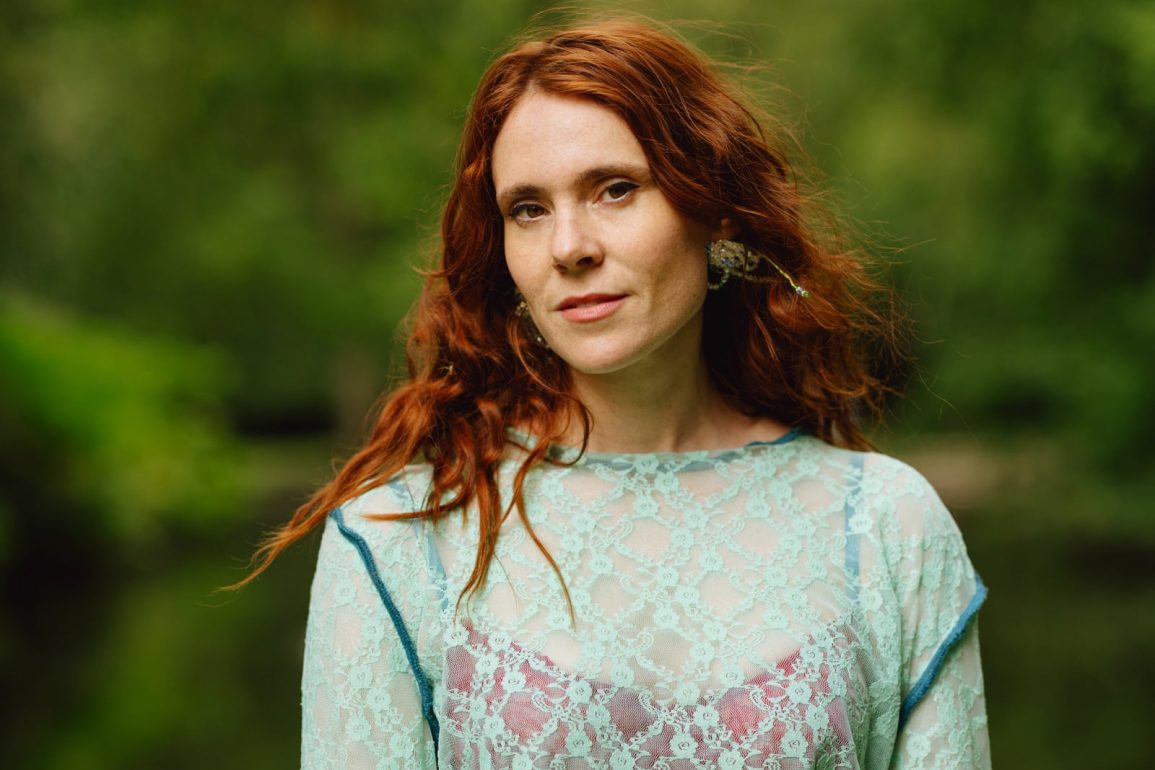
Two years after launching “Butts for Tour Buses,” Kate Nash says she still needs OnlyFans to afford the road, and she warns that mid-level musicians are being squeezed out of touring altogether.
A chart-topping debut doesn’t pay for a tour bus. According to The Guardian’s Fiona Sturges, singer and actor Kate Nash, who rose to fame in the Myspace era and topped the UK chart with her 2007 debut Made of Bricks, is still using an OnlyFans account to fund her live shows. “I’m in a position of privilege because I am making money from my catalogue,” she told the paper. “But I still need to sell my bum on OnlyFans to go on tour. I’ve got friends who are selling all their instruments and furniture to tour, or they’re not going on tour and they’re depressed.”
How “Butts for Tour Buses” started
Nash joined the platform in November 2024, in the middle of a tour, under a campaign she called “Butts for Tour Buses,” according to People’s Bailey Richards. At the time she told BBC News she was “losing money from those tours,” and that OnlyFans was “the only way” she “could find to make a profit on the tour.” She also called it “a bit of a punk protest as a woman to take control of my body and sell it to be able to fund my passion project, which is actually my 18-year career.”
The protest went public. The Guardian reported that in 2024 Nash stood on a fire truck in a showgirl outfit, shouting through a loudhailer about the industry’s failure to pay artists fairly, as the truck stopped outside the London offices of Spotify and Live Nation with a large picture of her backside and the campaign slogan on the back.
The numbers behind the protest
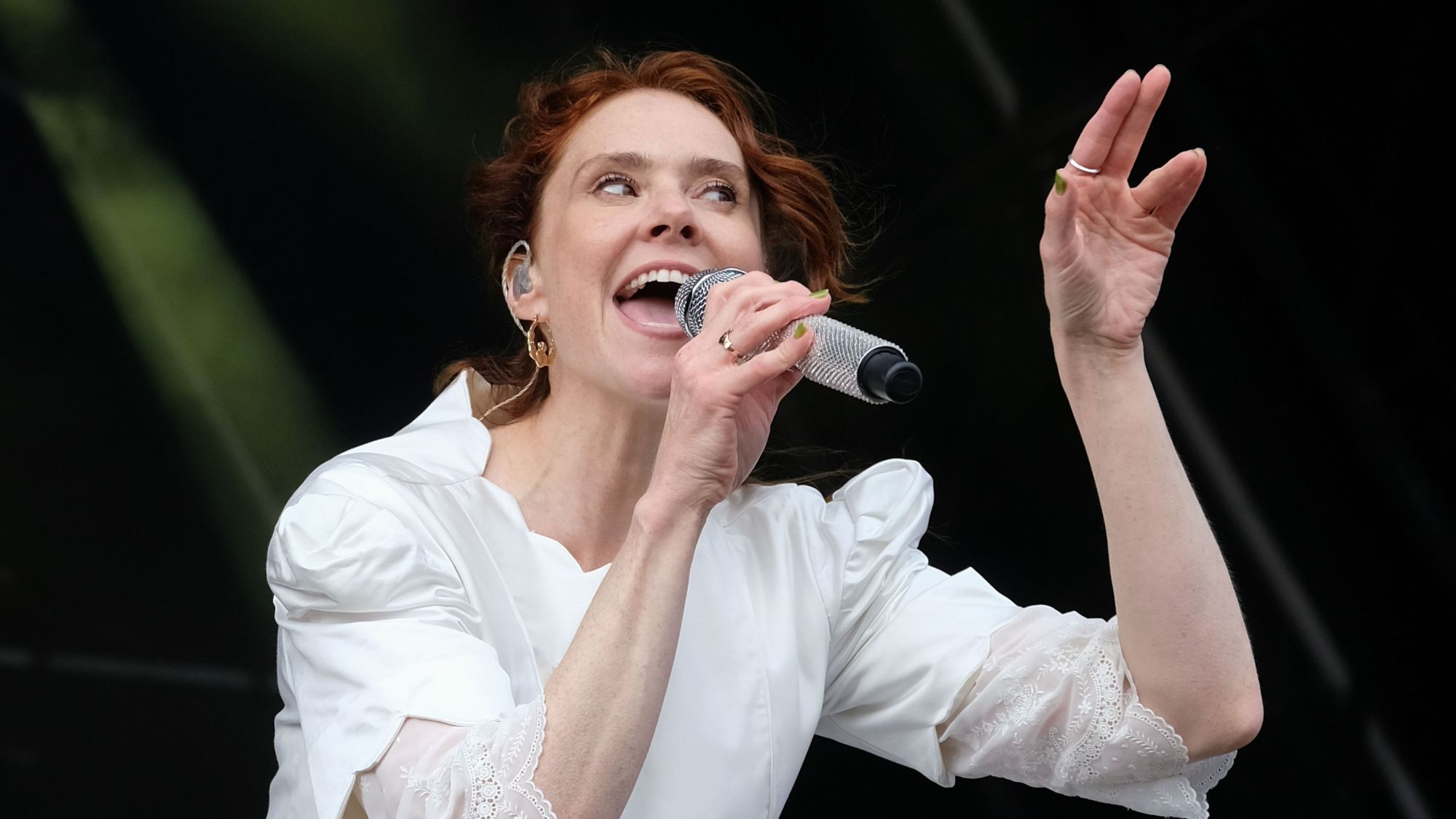
Two years on, the math hasn’t improved. People reported that Nash said on Instagram in October that she expected to lose $16,000 on her latest tour, and that she charges $9.99 a month for a subscription to her OnlyFans content. Before heading out on a “stripped back more intimate” U.S. tour in October, she promoted the account with a post that read, “It’s that time again. I’m hitting the road and my butt is gonna be very regularly on the internet.” She has since wrapped those U.S. dates and has U.K. and Ireland shows running from December into February.
According to MusicRadar’s Beth Simpson, the original campaign drew attention to the dire situation many mid-level artists, never mind smaller ones, find themselves in, and the new interview shows she is still in the same position.
A warning about the middle of the market
Nash’s real worry isn’t her own bank balance. “It makes me so mad!” she told The Guardian. “Where will we be in 20 years when we only have stadium acts? I’m not dissing those who do it, but I don’t want everything to be mainstream. I also want to see mid-level and small gigs. Without that, there’s no culture and no fanbase. It’s a broken system and I don’t think it’s fair.”
She has taken that argument beyond social media. The Guardian reported that in the past 12 months she appeared before a parliamentary select committee to talk about the financial impact of Brexit on touring artists. She said the reaction to her OnlyFans has been as much support as criticism. “People say to me: ‘Sex sells.’ Music fucking sells!” she said. “It contributes millions to the economy. It’s just not being distributed fairly.”
An independent career built the hard way
Nash has been working without a major-label safety net for years. MusicRadar noted that when her 2010 follow-up, My Best Friend Is You, flopped, she was dropped by her label, and she has since mixed low-key independent releases with acting. The Guardian reported that the label dropped her by text, that she put out her next album independently, and that in 2015 she discovered her former manager had been misappropriating her money, a dispute that ended in an out-of-court settlement after a long legal battle.
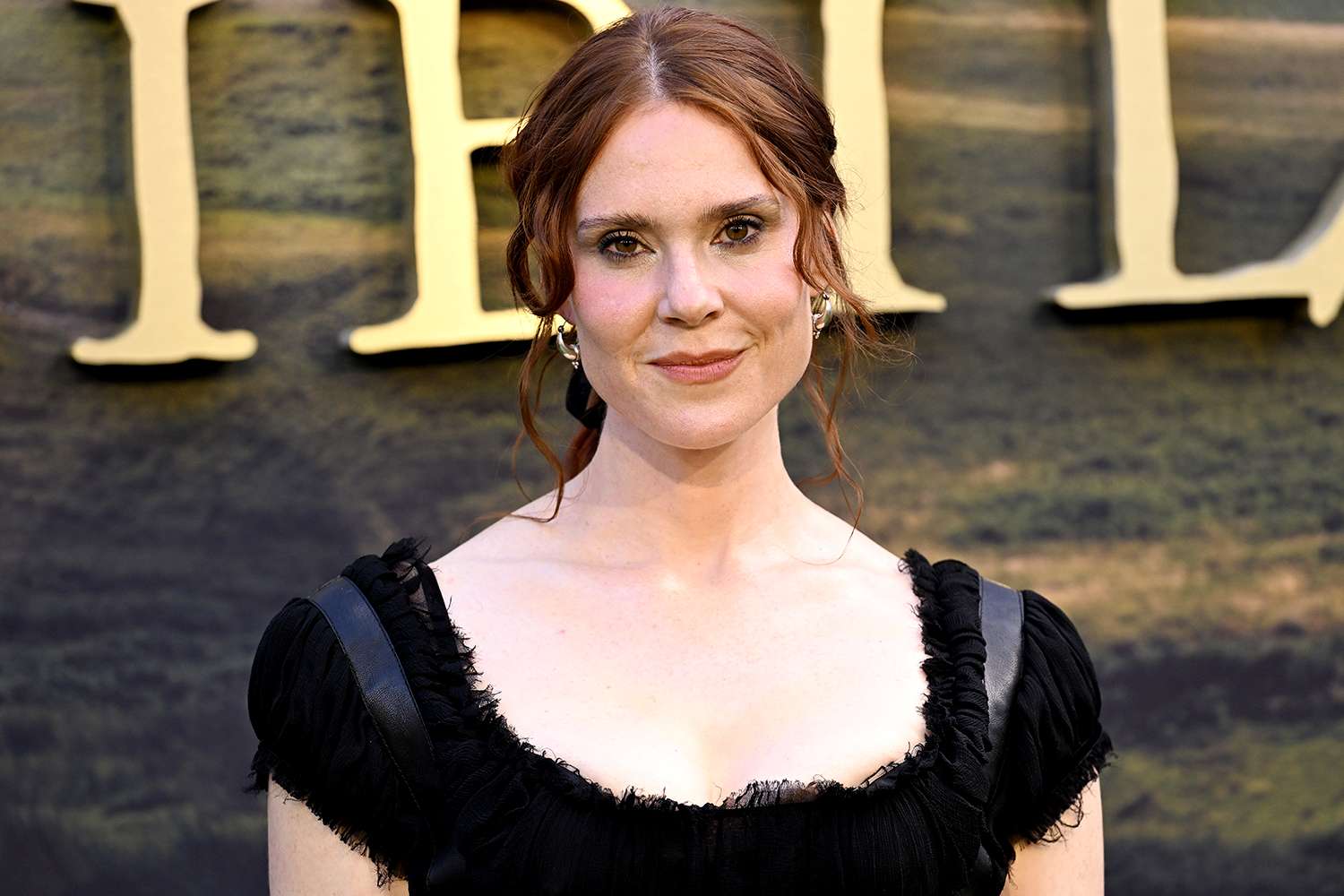
Her next album, Cailín, recorded in Spiddal on the west coast of Ireland, explores her Irish heritage and is out Jan. 22 via Kill Rock Stars, according to The Guardian. She sounds at peace with her place in the business. “I’m not for the masses and I’m aware of that and I’m comfortable with it,” she said. “I don’t want to be palatable for everybody.” And she expects change to come from outside: “The music industry will not change itself, but the law will.”
The takeaway
Nash’s story is the economics of independent touring in one sentence: even an artist with a No. 1 album and a catalogue that still earns has to find outside money to get on the road. For independent musicians, the lesson is to budget a tour like a business before you book it, know your likely loss going in the way Nash did, and line up the revenue that covers the gap, whether that’s merch, a direct-to-fan subscription, or a smaller, more intimate run. Owning your catalogue and your relationship with fans gives you options a label won’t. And if the system is broken, saying so in public, loudly and with numbers, can turn a funding problem into a campaign people remember.
Image: The Guardian