

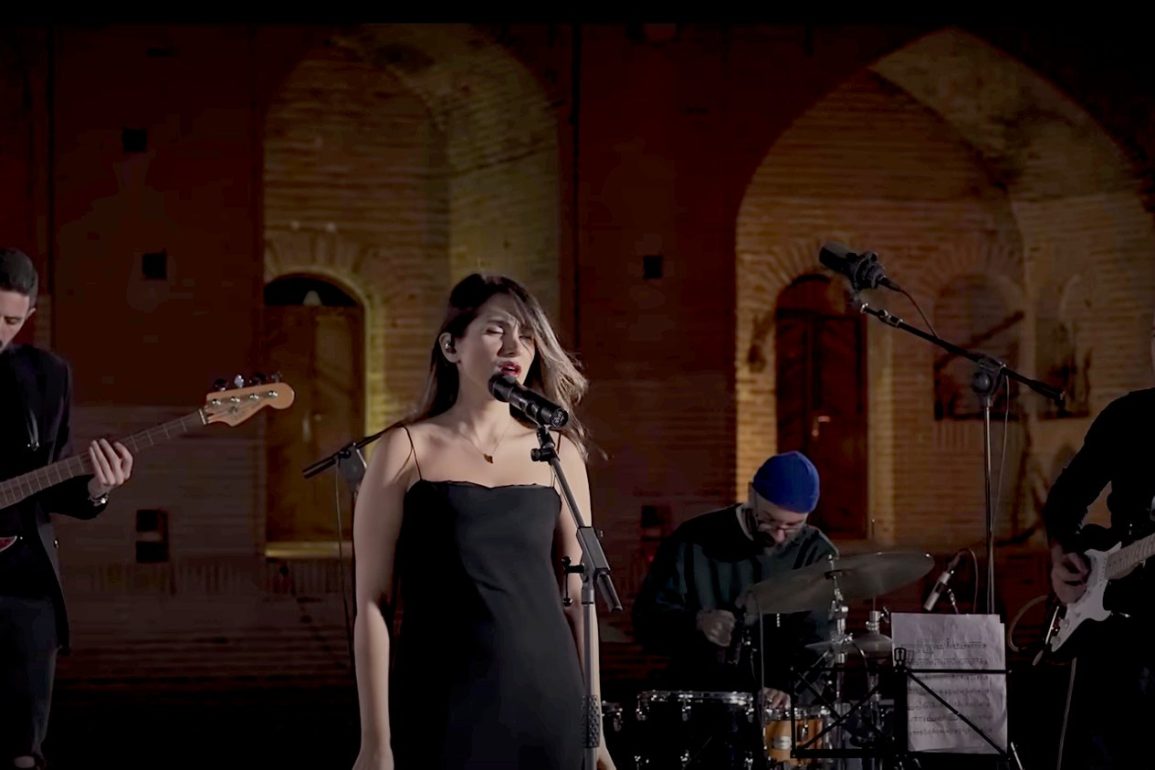
Iranian singer Parastoo Ahmadi took 74 lashes for a concert she streamed on YouTube, and artists answered the only way they could: by posting her performance all over again.
She sang on YouTube. She paid for it in Qom. And the internet that carried her voice in the first place is now carrying the outrage.
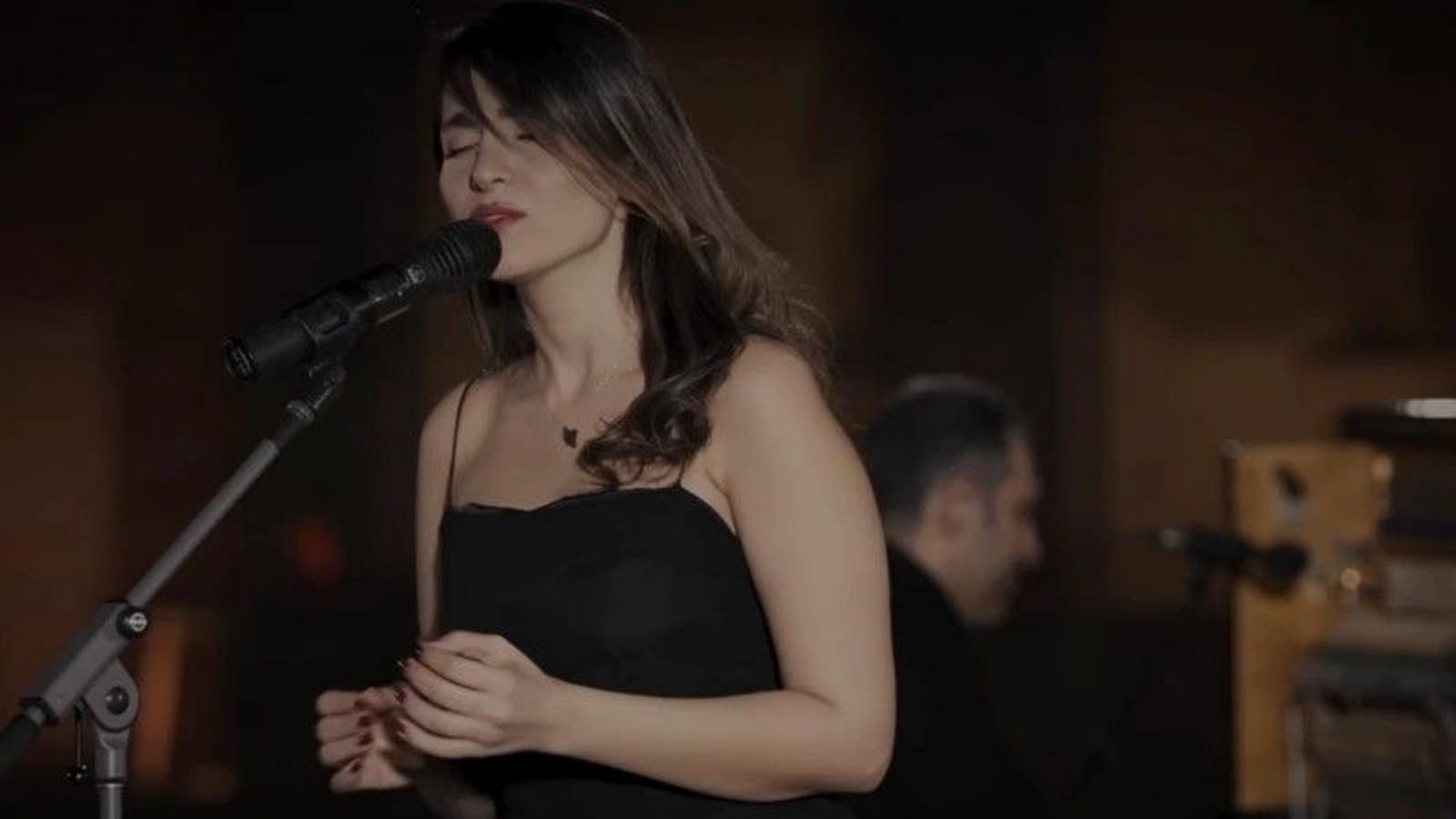
According to BBC News‘ David Gritten and Ghoncheh Habibiazad of BBC Persian, Iranian singer Parastoo Ahmadi, 29, along with three musicians and a producer, were each given 74 lashes in the city of Qom on Monday, a member of their defence team said. Their crime, in the eyes of the court: a concert livestreamed on Ahmadi’s YouTube channel in December 2024, where she sang in a sleeveless dress without the mandatory hijab.
A concert with no crowd
There was no audience in the room. According to The Jerusalem Post‘s Danielle Greyman-Kennard, the performance, called the Caravanserai Concert, was broadcast on YouTube with no live audience. Iran International reported that it was filmed at the historic Deir-e Gachin Caravanserai near Qom, with Ahmadi in a long, sleeveless black dress, hair uncovered, singing alongside male musicians. The video has drawn more than 3.2 million views on YouTube, the outlet said.
That’s the whole point of a virtual show: you skip the venue, skip the gatekeepers and go straight to the people. In Iran, where Iran International notes women have been banned from singing solo in public since the 1979 revolution, that move broke two rules at once.
From the upload to the lash
The BBC reported that in June, a criminal court in Qom convicted Ahmadi and eight others of “offending public decency” through publishing “obscene and indecent material,” a charge they denied. On top of the lashes, they were banned from audiovisual work and from leaving Iran for two years. An appeals court in Qom upheld the sentence at the end of September, her lawyers said.
The Jerusalem Post reported that they were prosecuted under Article 638 of the Islamic Penal Code and Article 743 of the Computer Crimes Law, the second of which targets content deemed offensive to public morality spread through digital networks. In other words, the posting itself was part of the case.
According to Al Jazeera, citing AFP and Reuters, the singer’s lawyer Mostafa Nili told the Emtedad news website the sentence was carried out Monday. The BBC said pro-reform daily Etemad cited Nili naming the four men flogged with her as Soheil Faghih-Nasiri, Amin Taheri, Amirali Pirnia and Mohsen Lashkari. Iran International identified Lashkari as the concert organizer.
The defence tried to stop it. “We did everything in our power to have the verdict overturned, or at least to secure a reduction in the sentence or a suspension, but it didn’t work out,” one lawyer told the BBC, adding that the enforcement branch “insisted on carrying it out immediately.”
Artists hit “post”
Here’s where the network kicked in. Iran International reported that the flogging set off outrage on social media from artists, activists and everyday users. Singer Mehdi Yarrahi, who took 74 lashes himself in March 2025 over a protest song challenging compulsory hijab, shared footage of Ahmadi’s performance on Instagram in solidarity with her and her team. Musician Hana Kamkar posted an Instagram video asking officials what the artists had offered other than humanity, joy and beauty.

On X, activist Zeinab Zaman put it bluntly: “Her concert was virtual, but the lash on her body was real,” per Iran International. Mahmood Amiry-Moghaddam, director of Norway-based Iran Human Rights, wrote: “She sang; the Islamic Republic responded with the lash.”
Rights groups weighed in too. “Parastoo Ahmadi’s flogging for singing and dressing as she chooses is a flagrant violation of her fundamental rights,” Bahar Ghandehari, director of advocacy at the US-based Center for Human Rights in Iran, told the BBC. The Jerusalem Post noted Amnesty International also condemned the flogging. Al Jazeera reported that Iran rejects criticism of its human rights record and says Western countries should address their own abuses.
The bigger backdrop
Hijab rules became a flashpoint in 2022, after Mahsa Amini died in custody following her arrest for allegedly breaking the dress code. Since then, Al Jazeera reported, more women have defied the rules, while authorities have enforced them more selectively. Ahmadi’s case shows what selective can look like when the camera is rolling and the video goes viral.
The takeaway
For most independent artists, a livestream is a growth move. For Parastoo Ahmadi, it was an act of courage with a real price tag. Two lessons travel anywhere. First, the platform that builds your audience also builds a public record, so know the rules, the risks and who could be watching where you live and work. Second, look at how her peers responded. Artists like Yarrahi and Kamkar used their own followings to keep her performance in circulation and her name in the conversation. That’s artist social networking at its realest: your network isn’t just for promo, it’s how artists protect each other when one of them gets silenced.
Image: Iran International