
Nine tattoo studios in Brandon, Manitoba, say some rivals are using AI-altered photos to sell weak work and pricey mentorships, a sharp test of trust in how artists market themselves online.
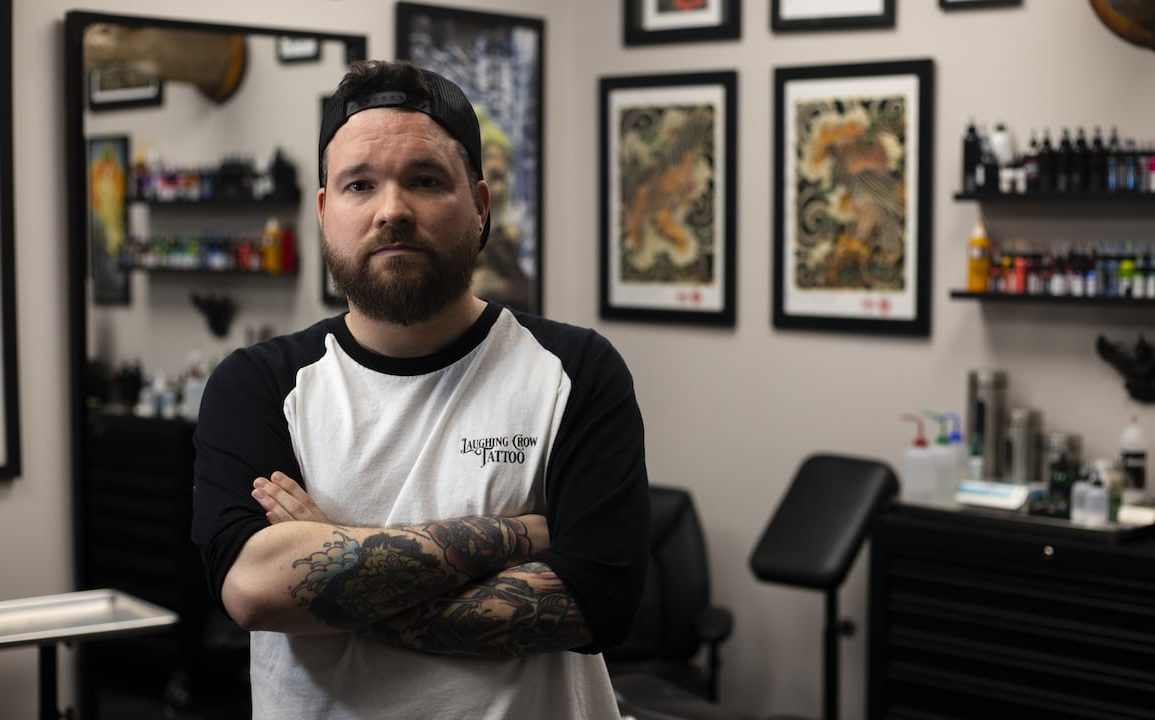
In tattooing, the portfolio is the sales pitch, and some artists say it is being faked. According to CBC’s Chelsea Kemp, a joint statement from nine Brandon studios says some artists are using AI-generated or altered photos to inflate their skills, deceive clients and recruit aspiring tattooists into paid mentorships. “Using AI to doctor your portfolio is very much false advertising,” TJ VanStone of Laughing Crow Tattoo Custom Tattooing told CBC. “It deceives clients.”
What the studios are alleging
According to Q Country 91.5’s Rob Mahon, the open letter, posted on Facebook, targets “individuals with questionable credentials” who market themselves as both tattoo academies and studios and charge a heavy premium. “This isn’t about competition or gatekeeping,” Ward’s Tattoo Shop wrote. The statement put the core complaint plainly: “Generating an image is not the same as knowing how to draw, design, or tattoo. AI does not know how a body flows, how skin ages, or how a tattoo changes over time.” It added that an online certificate and a collection of AI images do not qualify anyone to tattoo, or to teach it.
VanStone told CBC he has covered up botched tattoos, then later found heavily doctored photos of the same work in an online portfolio, looking little like what was on the client’s skin. “It breaks the trust between the client and the artist.… Sometimes those people never get another tattoo,” he said. First-timers and people unfamiliar with AI images are the easiest to fool, he said, and beginners can break the bank paying to shadow someone with underdeveloped skills.
Where the line is
Cameron Boult, a Brandon University professor who teaches AI ethics, told CBC that using AI to misrepresent an artist’s ability or the finished product crosses a hard ethical line, but grey areas remain. “Was it OK to just remove that one blemish on a person’s forearm just to help foreground the tattoo itself,” he asked, “versus you’re fundamentally changing what the quality of the tattoo looks like.” He also noted that not everyone thinks AI harms creative work, pointing to musician Ama Eme, who makes music with human players and uses an AI team to promote it.
Haylee Janai of Ward’s told CBC that some clients use AI to describe an idea, and she then draws her own design. What bothers her is artists who design with AI, tattoo the result and then run the photos through AI as well. “Why aren’t we just connecting the tattoo machine to a 3D printer?” she said. Janai floated industry standards for how portfolios and AI-assisted ads are presented. VanStone wants protection for apprentices and, in his words, “a professional standard in techniques and quality of art.”
AI is hitting tattoo marketing from both sides
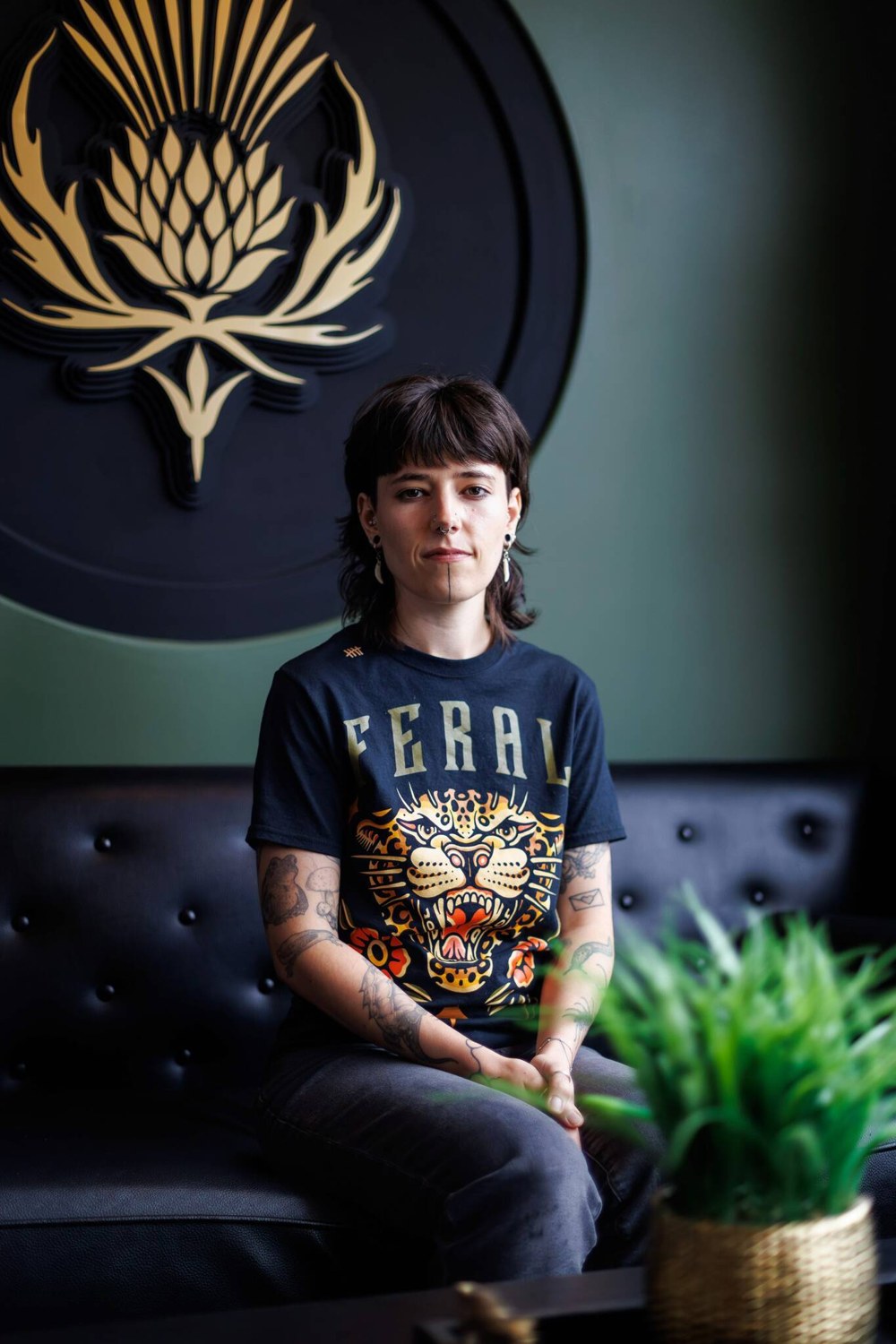
The Brandon fight is about artists faking their output, but clients are leaning on AI too. According to the Winnipeg Free Press’s Ben Waldman, Winnipeg tattooist Justine Proulx of Black Thistle Tattoo said in June that about 90 per cent of her clients were bringing in AI-generated images that “aren’t doable,” and some had been made by feeding her own work into AI. Bram Adey, who owns Ritual Winnipeg, said he had received “a whole flood of AI-generated images” in about a week and a half. “If you’ve found an artist whose work you like, they don’t need a ton from you,” Adey said.
And faked identities can do as much damage as faked portfolios. According to Boston Newsroom’s Michael Vyskocil, citing WCVB, fake TikTok accounts built from the stolen content of Worcester, Massachusetts, tattoo artist Jakki Hicks have been impersonating her to collect booking deposits, costing would-be clients at least $3,000 over several months. Hicks now tells clients to pay deposits through the shop where she works. TikTok said impersonation breaks its rules and that it is testing a “likeness detection” tool.
The takeaway
The Brandon studios are making a marketing argument as much as an ethical one: when any image can be faked, proof becomes the selling point. Whatever you make, show the real thing, including unedited photos, finished and healed or installed work, process shots, video and client testimonials. Disclose any editing beyond basic color and cropping. Make yourself easy to verify, with one official account per platform and payments only through your own site or studio, and warn your followers when impersonators appear. Trust is the one thing AI can’t generate for you.
Image: CBC