


A new study of London’s galleries and auction houses finds that having a baby can quietly end a career, and many of the women pushed out end up going freelance.
The art world loves to put motherhood on the wall. It’s a lot less friendly to the mothers answering its phones. According to The Art Newspaper‘s Anny Shaw, the first peer-reviewed study of motherhood and discrimination in London’s commercial art world came out Friday, November 20, from the European Journal of Cultural Studies and The Art Working Parents Alliance. Its verdict on how galleries treat their own staff when they have kids is blunt. As the report puts it: “Becoming a parent is at the root of the glass ceiling, and for many, it represents the glass cliff.”
Who they asked
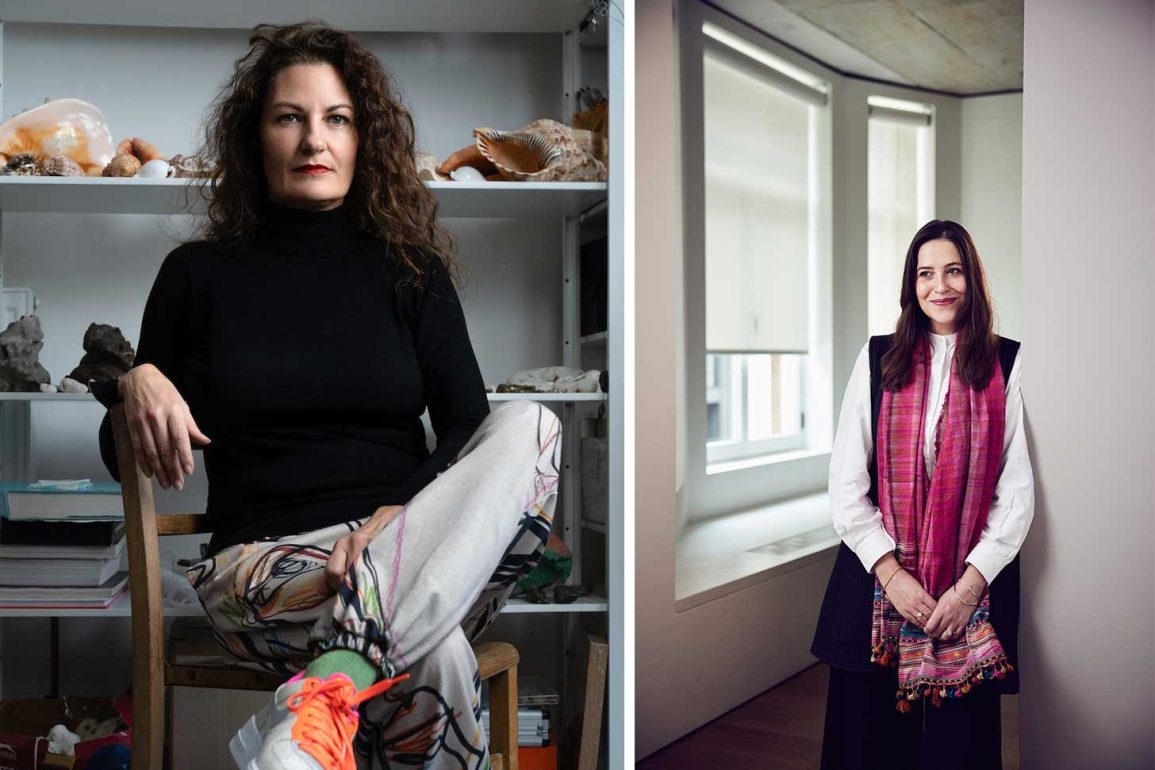
Researchers Kate McMillan and Cleo Roberts-Komireddi surveyed 50 people working in galleries and auction houses across London and did 12 in-depth interviews. According to ARTnews‘s Anne Doran, earlier research mostly looked at fine artists or senior directors, while this study focused on lower-paid, non-artist jobs like sales, administration and marketing. The paper’s abstract on the King’s College London research site says it set out to ask how far pregnancy and maternity hold back women’s careers, In short: the people who market art for a living.
The numbers
Three-quarters of respondents said becoming a parent hurt their career progression, and more than one in five said they had been flat-out denied a promotion, The Art Newspaper reported. One woman was told she couldn’t be promoted while on maternity leave, which breaks UK law. Only 54% got enhanced maternity pay, against a national workplace average of 74.1%.
It isn’t just small shops. “We assumed this would affect small art galleries with between five and 20 staff, but we found that big, multi-national galleries are also failing,” McMillan told the paper. In the report’s words, “A lack of accountability pervades the sector.”
Secrecy and no HR
Roberts-Komireddi blames part of it on the art market’s “culture of secrecy,” where money, benefits and networks are rarely out in the open. “Opacity really serves certain individuals and maintains this sense of fear,” she told The Art Newspaper. “Fear and perceived retribution pervade these workplaces and women’s relationships to these workplaces.”
Only half of respondents worked somewhere with dedicated HR staff, and just 30 of the 50 said their workplace had a maternity or parental leave policy. Some employees had to research their own rights, negotiate their own packages and even write the policies themselves, according to The Art Newspaper. The King’s College abstract says that missing HR function lined up directly with the many examples of illegal treatment the researchers heard about, including people being “managed” out of their jobs through pay cuts.
Coming back is the hard part
Interviewees came back to find their duties handed out, their client and artist relationships disrupted, or their standing in the gallery reduced. One woman found that the colleague who covered her leave had been given half her role, along with the artists she had spent years representing. Another came back to find there was no desk for her in the gallery’s new office.
The art world’s schedule doesn’t help. Hettie Judah, the critic and curator who co-founded The Art Working Parents Alliance, calls the collision of 6pm private views and kids’ bedtime the “witching hour” clash. Only a third of survey respondents were offered flexible working when they returned, and half were expected in the office four or five days a week. One interviewee described a culture where “presentism is more important than doing the work.”
Money decides who survives
The study also points at class. Some senior figures have live-in nannies and night nurses, The Art Newspaper reported leaving them out of touch with staff running on three hours of sleep and still expected at an opening and a dinner. ARTnews added that for junior employees on modest pay, childcare costs make travel and evening events hard, which raises the odds of discrimination and leaves them fewer resources to fight it.
“In the UK, up until 1 October this year, women only had three months to bring a case to tribunal, which is not a lot of time, particularly if you’re about to give birth,” Roberts-Komireddi told the paper. “There’s a reluctance to go down that route because it’s a long, tiring, expensive process.”
So many just leave. Three-quarters of the women interviewed changed their careers after getting pregnant, The Art Newspaper reported, with some moving into freelance or independent work, taking less senior roles or quitting the industry altogether.
The takeaway
A lot of the people this study describes end up right where independent artists already live: freelance, self-directed and building their own book of clients. If that’s you, take the lesson seriously. Relationships with collectors and clients are the real asset, and in a gallery job they can be handed to somebody else while you’re out. On your own, keep your mailing list, your client contacts and your sales records in your own hands. Build a schedule around your real life, not the 6pm opening circuit. And if you do work with galleries or agents, get the terms in writing, because this study shows that when nothing is written down, the person with the least power usually pays for it.
Image: The Art Newspaper