


Jacksonville’s Riverside Arts Market lost an $80,000 Cultural Council grant after Florida voters passed Amendment 3, and it’s asking the people who shop there to chip in $5 each to keep it fully staffed.
Every Saturday, a crowd of shoppers walks under a Jacksonville bridge to buy from local artists, makers and farmers. The money that keeps that market organized just got cut, and now the market is passing the hat.
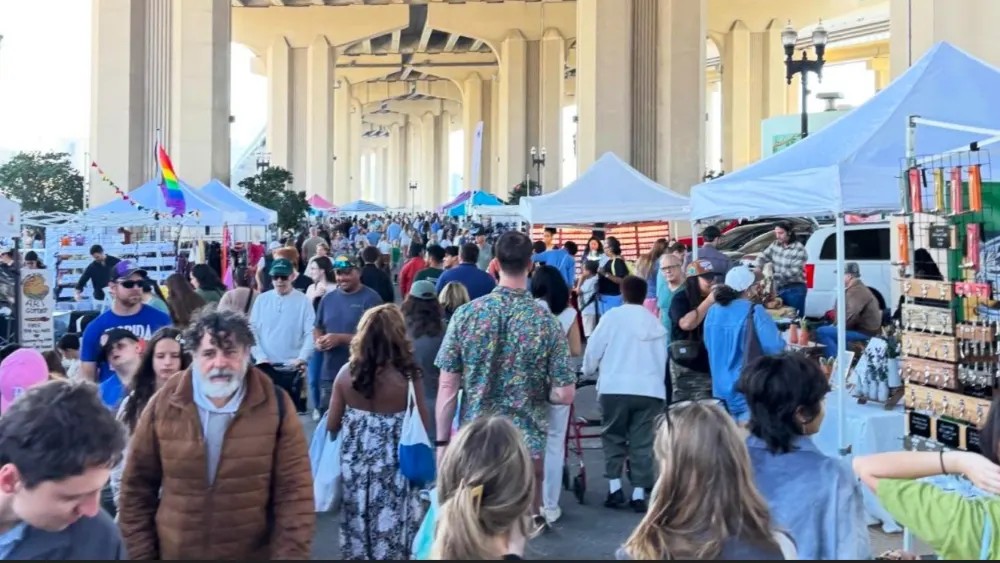
According to News4JAX‘s Chris Will and Francine Frazier, the Riverside Arts Market, known as RAM, lost an $80,000 Cultural Council grant for 2027 because Amendment 3 has changed how arts and cultural programming in Jacksonville is funded. RAM runs from 10 a.m. to 3 p.m. every Saturday, rain or shine, under the Fuller Warren Bridge, and draws about 260,000 visitors a year.
According to Jacksonville Today‘s Dan Scanlan, the market was created in 2009 through the efforts of Riverside Avondale Preservation founder Wayne Wood and local volunteers, and it hosts small businesses, artists and local farmers.
What the grant paid for
The cut doesn’t hit the booths directly. It hits the people who run the market. “This funding directly supports the paid staff that organize, manage, and coordinate arts and culture programming each Saturday,” RAM Director Chloe Kuhn wrote, according to Florida Politics‘ A.G. Gancarski. “Our board of directors has approved a budget that reduces our services and staffing in response to this shortfall.”
Kuhn said the Cultural Council money let RAM “host paid performances by local musicians,” “hire specialty performers,” “expand programming with cultural organizations like Jax Filipinos and the Melanin Collaborative Group” and “pay artists to create murals and custom onsite signage,” Florida Politics reported.
The $5 ask
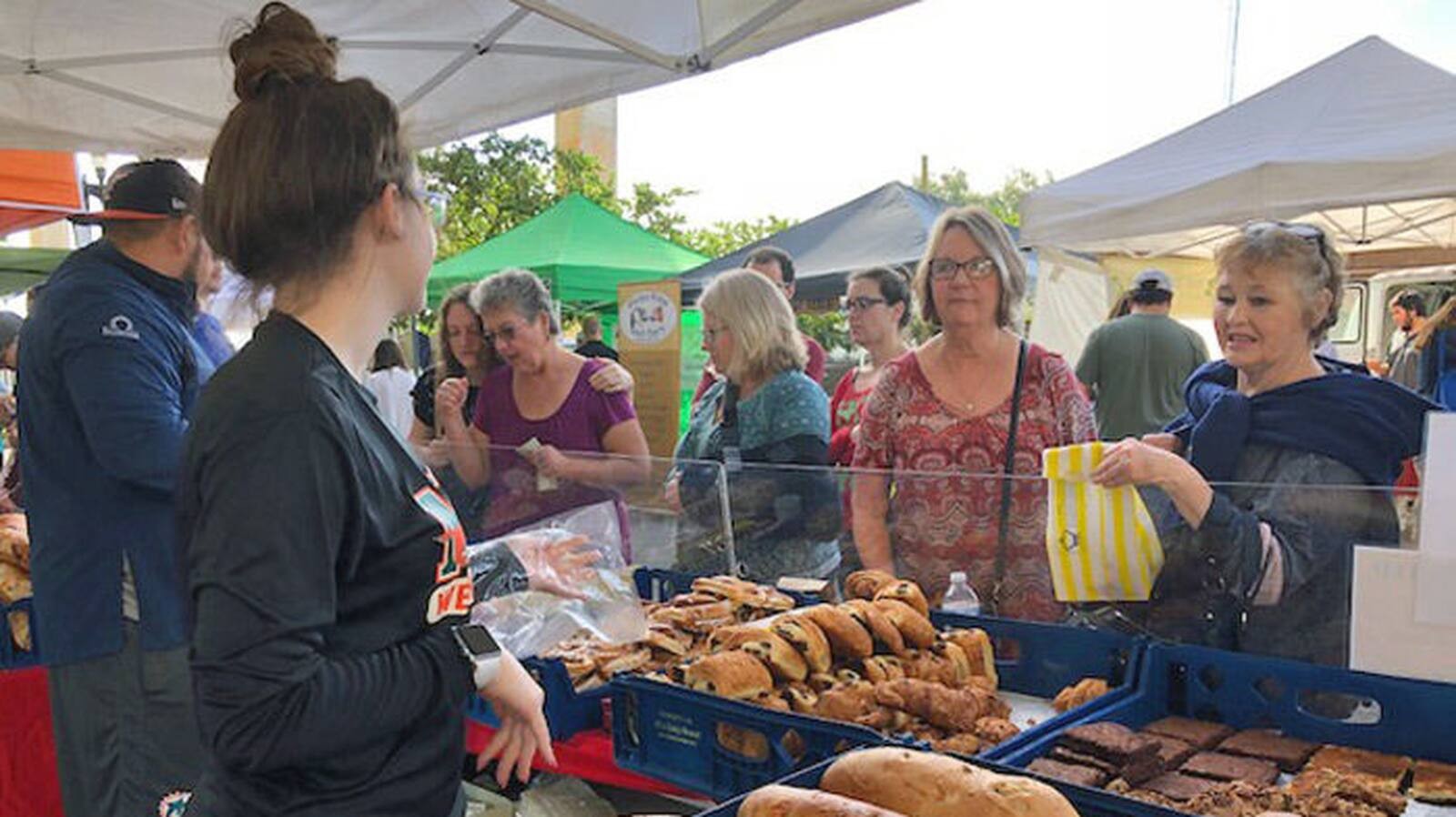
Instead of waiting on City Hall, the market went straight to its customers. “The market sees approximately 260,000 visitors annually, and a donation of $5 from just 6% of you by December 31 can fill this gap in our 2027 budget,” the organization said, according to Action News Jax.
It’s off to a start. News4JAX reported that a tracker on RAM’s website showed $10,162 of the $80,000 raised as of 6:15 a.m. Tuesday.
“Continuing to offer free, community programming is our goal. Changing the way our market is financially supported will take time and planning,” organizers wrote. “Your support can help us bridge the gap to preserve the market you love, just the way that you love it.”
Why the money disappeared
Amendment 3 passed with almost 62% support statewide, Jacksonville Today reported. It raises homeowners’ $50,000 homestead property tax exemption to $150,000 in 2027, and the City Council’s auditor projected a $300 million local hit by the 2028-29 fiscal year. The administration of Mayor Donna Deegan is planning across-the-board reductions next fiscal year, according to Chief Administrative Officer Mike Weinstein, and some cuts have already been made, including RAM’s $80,000.
As the city looks for cuts, “nonessential services like arts programming are among the first to be chopped,” Florida Politics wrote, and Deegan said over the weekend that the city is exploring a hiring freeze and early retirements. A Cultural Council representative told the outlet that the City Council held 35% of the group’s budget below the line in anticipation of Amendment 3, and that releasing it would take a supermajority vote. Asked whether the private sector could fill the gap, the spokesperson said options were being explored.
Florida Politics also noted that the city hasn’t stopped all spending outside the basics, pointing to $9.2 million it is giving developer Gateway Jax for a downtown apartment building.
“Grow opportunities for artists”
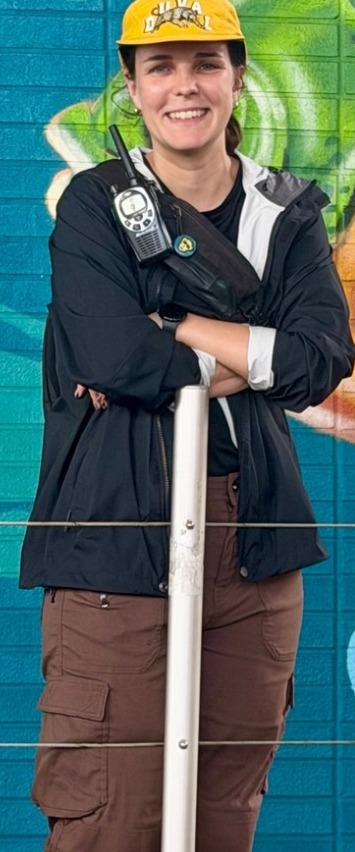
For Kuhn, the cut is personal. “I was the first new staff member hired with funds awarded by the Cultural Council of Greater Jacksonville,” she wrote, according to Jacksonville Today. “My directive was clear: grow the market, grow opportunities for artists and artisans, and use RAM to uplift Jacksonville’s wide cultural diversity.”
That’s the part artists should notice. The grant didn’t just pay for a stage. It paid for staff whose job, in Kuhn’s words, was to grow the market and its opportunities for the people selling there, plus paid gigs for local musicians and muralists.
The takeaway
If you sell at a weekly market, a fair or a pop-up, that crowd isn’t free. Somebody pays for the staff, the stage, the signs and the promotion that put buyers in front of your table, and a lot of that money comes from public grants that can vanish with one vote. Know who funds the markets you depend on, and get on their mailing lists so you hear about trouble early. Don’t let one market be your only sales channel. And if a market that feeds your business asks for help, you have something most donors don’t: a table full of customers. A sign on your booth pointing to the appeal costs you nothing and helps keep the crowd coming back.
Image: Jacksonville Today