


A Ghana-born prize for women artists just crossed into Senegal, and its two 2026 winners each get $5,000, a three-month residency in the other country and a solo show.
Six women. Nineteen men. That’s the roster split at Gallery 1957 in Accra, and it’s the same gallery that’s now trying to push more African women artists through the door with a prize built just for them.
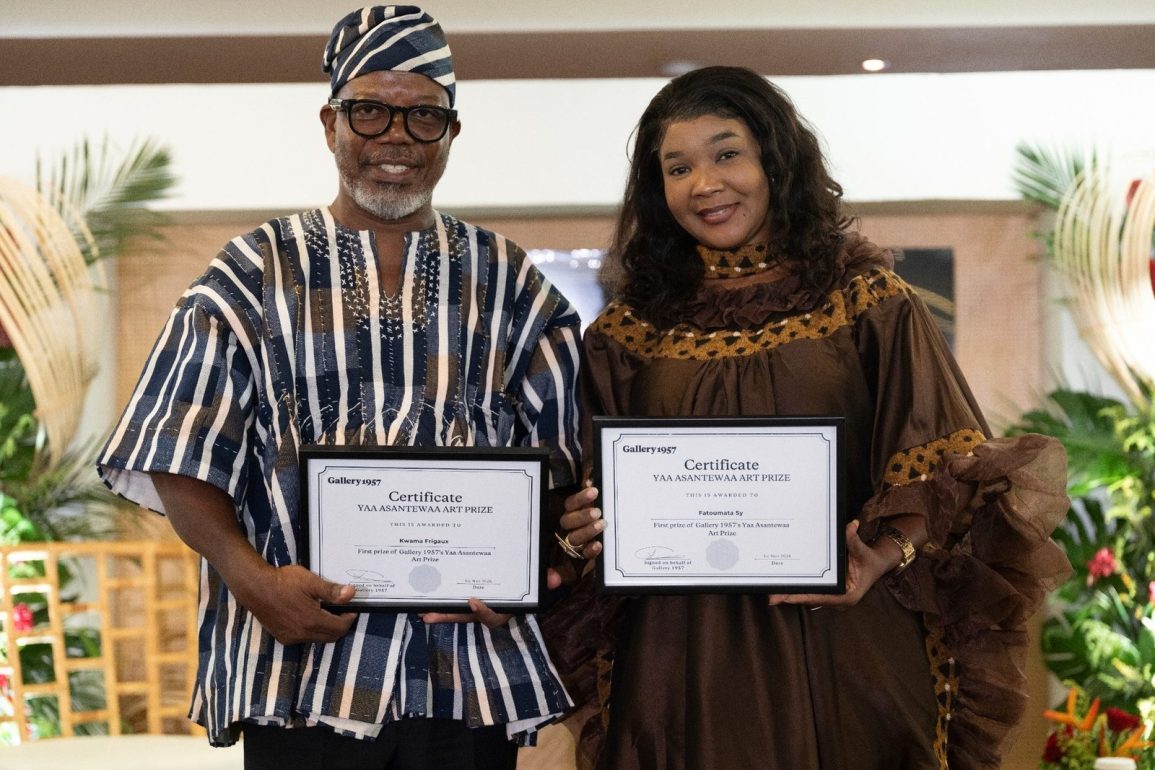
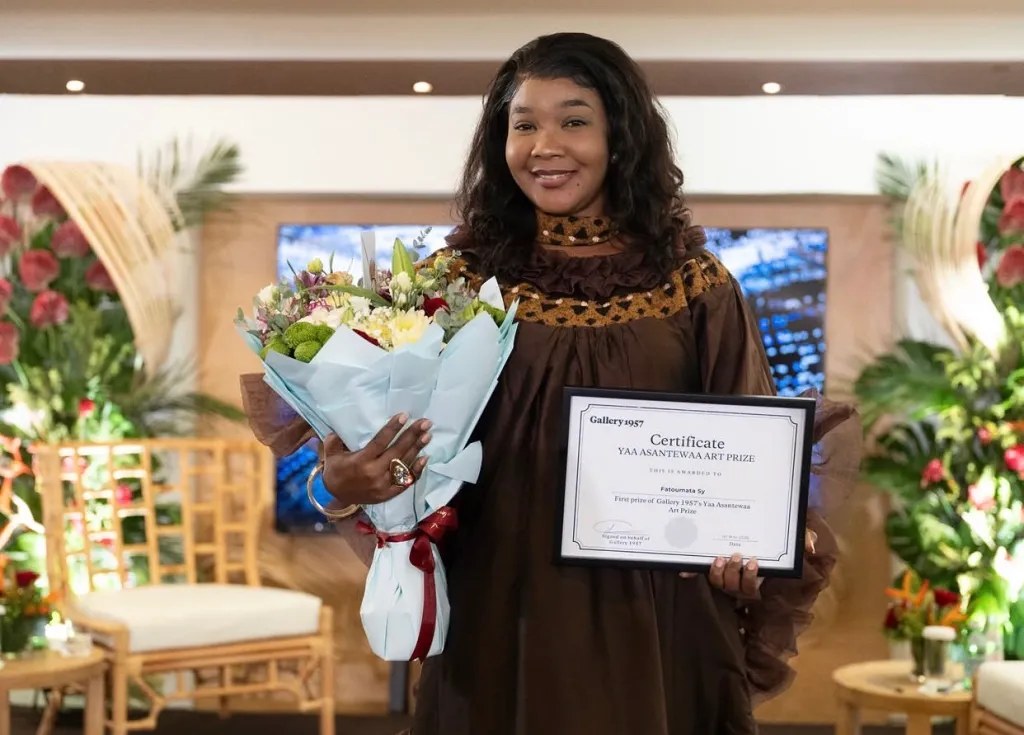
According to The Art Newspaper‘s Gameli Hamelo, Ghanaian-French artist Kwama Frigaux and Senegalese artist Fatoumata Sy are the joint winners of the 2026 Yaa Asantewaa Art Prize. Gallery 1957, which is based in London and Accra, started the prize in 2021 to support women artists in Ghana and its diaspora. This year, for the first time, it opened up to Senegal through a partnership with the Institut Français du Sénégal.
What the winners actually get
Each winner takes home $5,000, a three-month residency and a solo exhibition, The Art Newspaper reported. The residencies are a swap: the Ghanaian winner goes to Senegal, and the Senegalese winner goes to Ghana.
According to Africans Column‘s editors, Frigaux will spend one month in Saint-Louis and two months in Dakar, while Sy spends three months in Accra. Their solo shows will follow at Gallery 1957 in Accra and Galerie Le Manège in Dakar. The prize also covers travel, accommodation, shipping the artwork and production materials. That last part matters. For a working artist, the cash is nice, but somebody else paying for the materials and the move is what lets you actually make the work.
The call for entries ran from June to September and was open to Ghanaian and Senegalese women artists 18 or older, at home or in the diaspora, The Art Newspaper reported. The winners were named during Accra Cultural Week, which ran Oct. 29 to Nov. 2. Frigaux was represented on stage by her uncle, Mr. Pacx, according to photo captions in both The Art Newspaper and The Art Journal.
The gap the prize is up against
According to The Art Journal‘s Charlotte Jansen, women make up 64 to 66% of art school students in Western institutions, but only 40% of gallery rosters worldwide, citing the Art Basel and UBS Global Art Market Report. During Accra’s Cultural Week, she wrote, only one center her group visited was founded and run by a woman: the Si Hene Foundation, run by artist Rita Mawuena Benissan, one of the six women on Gallery 1957’s roster.
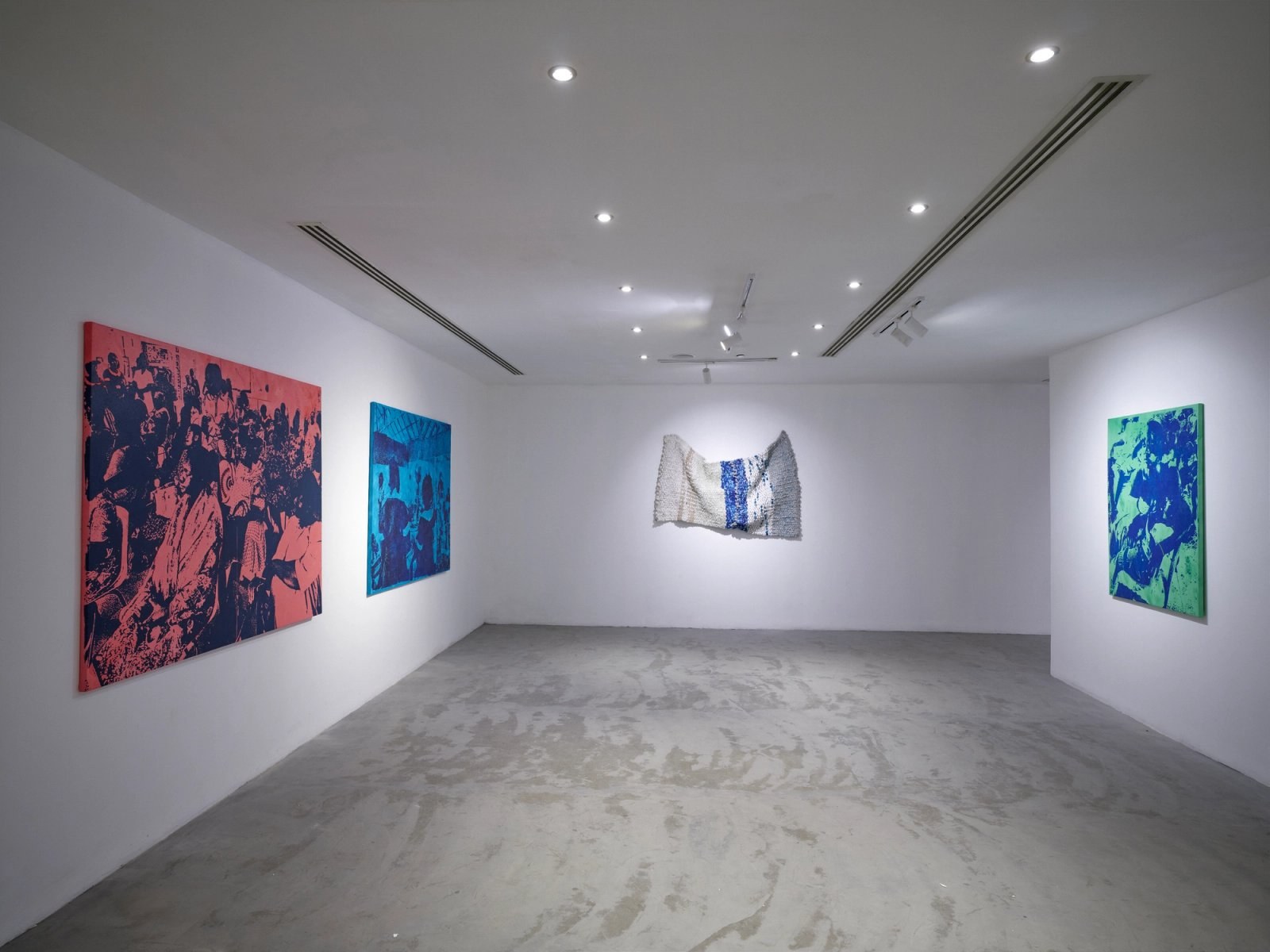
Jansen also pointed out who is behind the prize: Marwan Zakhem, a Lebanese entrepreneur who has lived in Ghana for 26 years and founded Gallery 1957, the gallery credited with launching male stars like Amoako Boafo. Past winners include Denyse Gawu-Mensah in 2024, who turned vintage family photos into textile pieces, and Theresah Ankomah in 2025, whose solo show “The Lore of Care: Maternal Acts of Devotion” is on view at Gallery 1957 until Dec. 5.
The mentorship is the real network
The runners-up don’t walk away empty-handed. The Art Newspaper reported that they join a mentorship program covering grant applications and entrepreneurship, with mentors this year including Nigerian artist Modupeola Fadugba and Aisha Ayensu, founder of the Ghanaian fashion brand Christie Brown. The Art Journal reported that each mentor meets with previous winners every quarter.
“I think [it’s] an incredible programme that helps drive the longevity of [the prize’s] impact,” prize director Leila Zakhem told The Art Newspaper. “And it really creates a beautiful community.”
Zakhem told The Art Journal the prize has to bend to women’s real lives. “This is a women’s art prize, and I’m a young mum who has sometimes had to give up things too. The priority for me is flexibility,” she said. “Being on the continent is challenging culturally and economically, and we’re here to support women where they’re at.”
Next stop: the rest of West Africa
Zakhem told The Art Newspaper her team looked at several countries, including Nigeria, and picked Senegal because it found a “very good implementing partner.” She hopes the move builds a bridge between English- and French-speaking art scenes in West Africa, and the plan is to expand further across the region. “The goal is eventually to be the leading Pan-African female art prize on the continent,” she said. The Art Journal reported she’s also hoping to land a brand partnership to help it grow.
The takeaway
Look past the $5,000. The real value here is the stuff that’s hard to buy on your own: a funded residency, materials, shipping, a solo show and a room full of mentors who know how to write grants and run a business. This prize exists to help women launch their careers, so treat the application like a job. Watch the calls, get your statement and portfolio tight, and apply even if you think you’re a long shot. And if you’re a woman artist working without a roster spot, remember that a six-women, 19-men roster at the gallery behind the prize is exactly why prizes like this exist. Use them.
Image: The Art Journal