


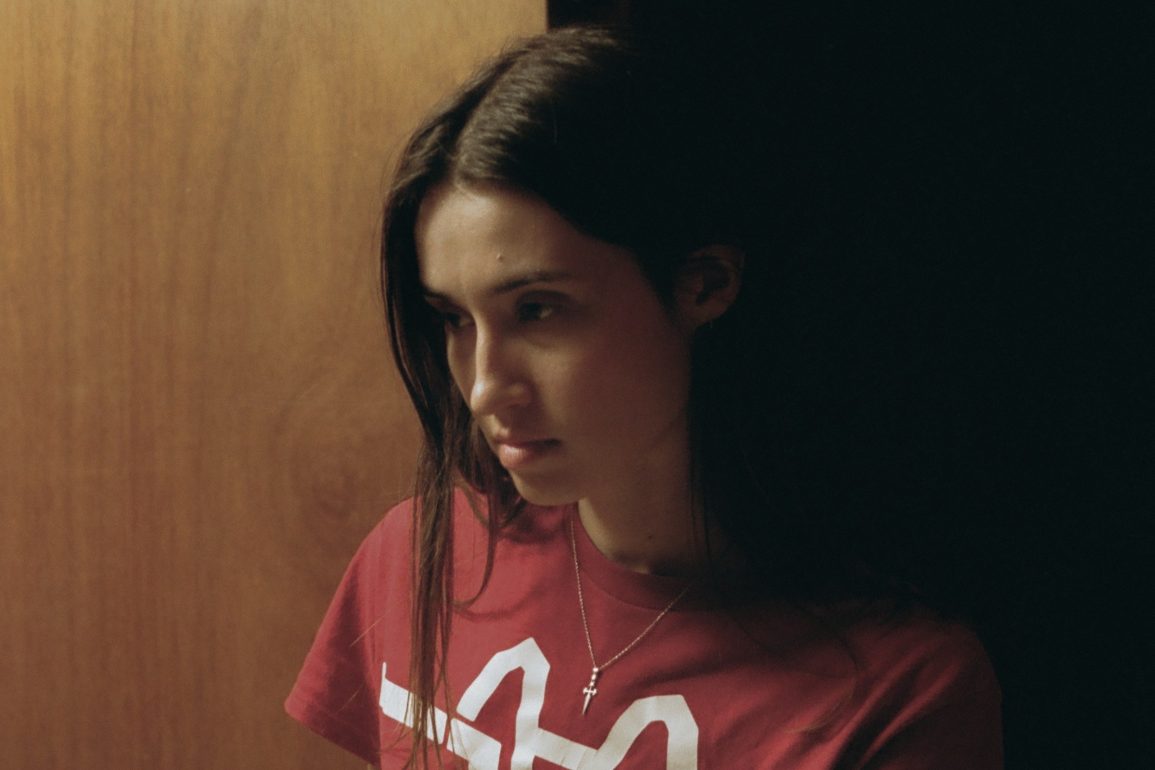
Toronto alt-pop artist Brat Star made her self-released debut out of the stuff in her closet, and that everyday gear has turned into her brand.
Most artists sing about designer labels. Brat Star sings about the sweater she actually owns.
According to The Globe and Mail’s Erica Commisso, the 34-year-old independent artist, who was born in the suburbs of Montreal, lives in Toronto and keeps her legal name private, fills her alt-pop songs with everyday Canadian brands like Canada Goose, Arc’teryx, Lululemon and Aritzia. Her debut album, Southern Ontario Gothic, came out in late October. On “Aritzia Sweater,” she sings about being tired of clout chasers and keeping it real.
The idea comes from where she grew up. “I grew up in a working class family in an affluent neighbourhood in Montreal,” she told the Globe, “so I grew up obsessed with designer names.” So she wrote about what she did have. “What I have around me are my dirty sneakers. What I have around me is my Aritzia sweater, my Lululemon … I wanted to validate where I’m from.”
Working with what she had
There was no big budget. According to Toronto Life’s Russ Martin, she wrote the record in a recording studio on the Lakeshore that she shares with her husband, Toronto rapper Dyltwosix. “I didn’t have many resources to make this project,” she told Martin. “I was in our little studio in the basement thinking, ‘I’m wearing my dirty Hokas,’ and it turned into a line in a song. I was working with what I had and finding beauty and meaning in it.”
She also built her team the hard way. “As an independent artist, you have to have an abundance mindset, to ask for things and constantly be sharing the dream with people,” she said. She and her husband made the video, logo and merch together, her friend, producer Loukeman, helped with the music, and local photographer Norman Wong “knocked on doors” for her, she told Toronto Life.
A long road to “overnight”
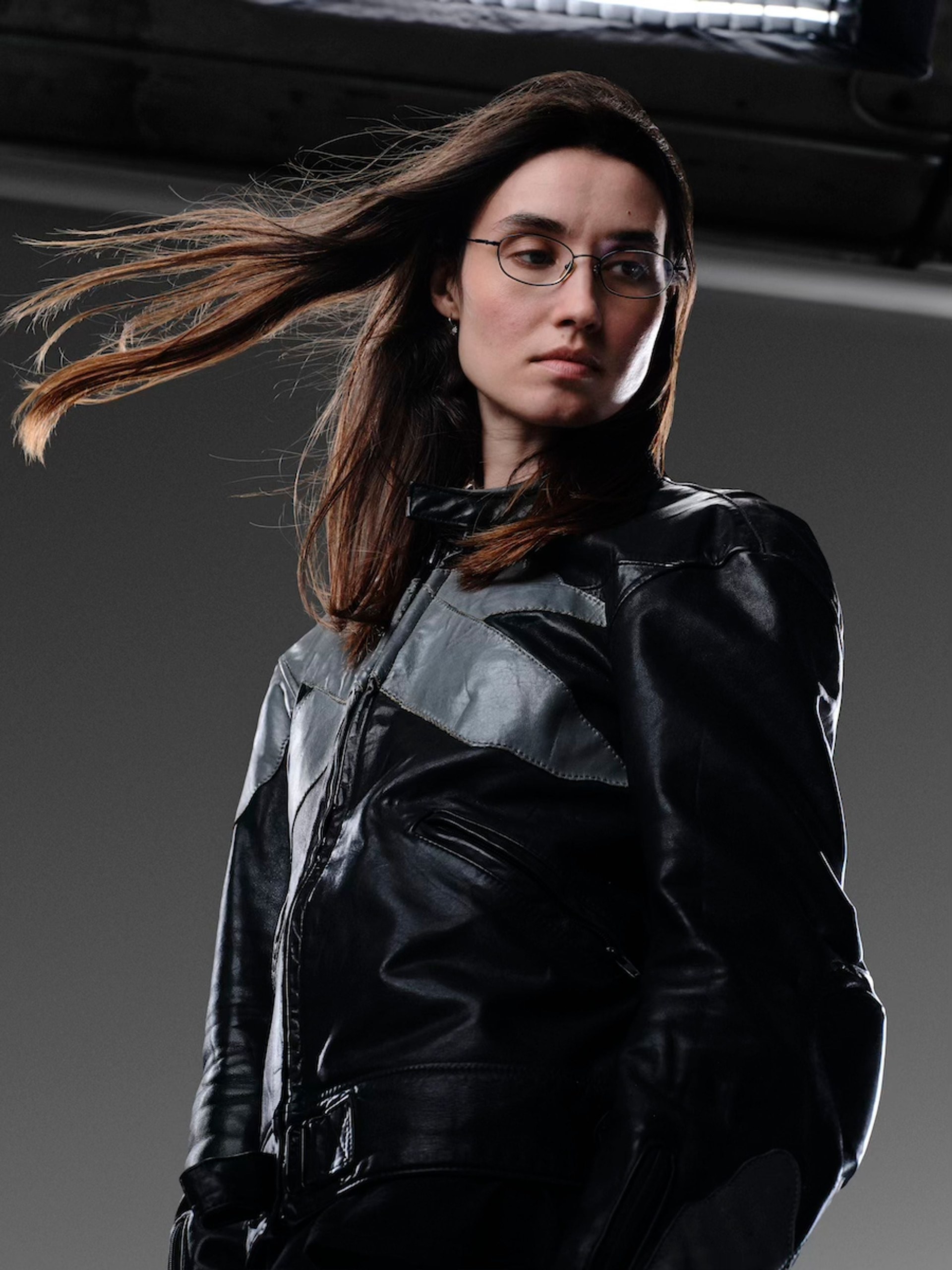
Toronto Life reported she has been on the music scene for more than a decade, starting as a DJ in Montreal before moving to Toronto in 2023. According to Dazed’s Tiarna Meehan, both of her parents were artists, and watching them struggle with money pushed her toward a safer career. She got as far as a law firm before she quit. “I was scared I’d realise I’m an artist, and I have to be an artist,” she said, knowing how hard that road would be.
Dazed reported that she moved to Berlin, worked at 032c, kept DJing and started producing in Ableton. She released her first EP, Voice Notes, in 2020, then dropped the project, before finding encouragement from Toronto musicians like Loukeman, Ian Mills and Dyltwosix. “I remember thinking all these people are artists and they’re fine. They’re doing great. So maybe I can do it too.”
No Frills swag
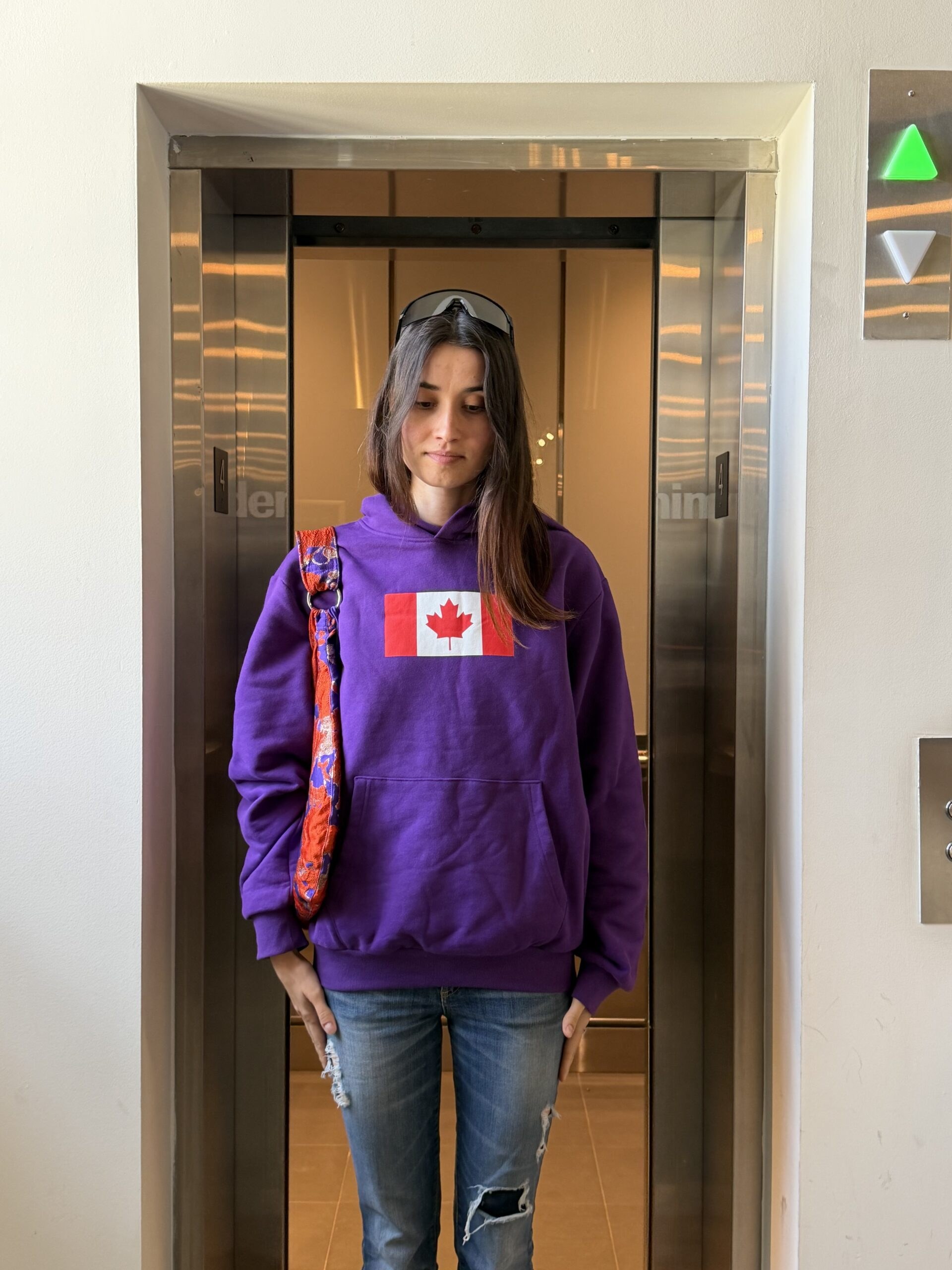
Her look follows the same rule as her lyrics. Talking with Clairo for Interview Magazine, she said the Oakley shades in her visuals came from an airport while she was on tour. “I’m really all about comfy and function, and I let that dictate the swag,” she said. “It’s also a very Canadian vibe, just to be authentic, No Frills energy.”
She explained that “Aritzia Sweater” plays a character: someone bitter who thinks everyone else is fake and that wearing Aritzia makes them the only real one. As she told the Globe about the brands she names, “It’s not about pizzazz. It’s more stuff to wear that will last a long time.”
The buzz, and the pushback
Toronto Life reported that after the release she got a positive Pitchfork review, the Clairo interview, a spot on Pigeons and Planes’ list of the best new artists of 2026, and a sold-out album release party at Top Top Projects on Geary Avenue.
According to Pitchfork’s Hattie Lindert, the album is self-released, and her review describes an artist with “a CV from the gig economy,” who has been “a waitress and a student and a DJ.” But Lindert didn’t love every line. She wrote that some lyrics “scan more like a corporation’s pandering tweets than natural vernacular,” and noted that a lyric from “Margot Tenenbaum” now appears on accessories from Paloma Wool’s fall collection. Still, she wrote, she wasn’t going to accuse “a gal with a singular licensing deal of ‘selling out.’” Her verdict: if you can’t please everybody, “you might as well ride for yourself.”
The takeaway
Brat Star didn’t wait for a label or a big budget. She wrote about her own sneakers, her own sweater and her own city, made the video, logo and merch with her husband, and kept sharing the dream until people came on board. That everyday material became her brand, and her lyrics are already on a clothing label’s accessories. For independent artists, the lesson is plain: the stuff only you know, from where you grew up to what you wear to work, is what makes you stand out. Use it, build your crew and keep asking. Some people will call it a gimmick. Ride for yourself anyway.
Image: The Globe and Mail