
Australia’s ban on social media for under-16s is almost a year old, and the young artists who grew up posting their work online say it cut them off from teachers, peers and fans all at once.
Lots of artists got their start by posting a drawing at 14 and waiting to see who answered. In Australia, that door is now shut until you turn 16.
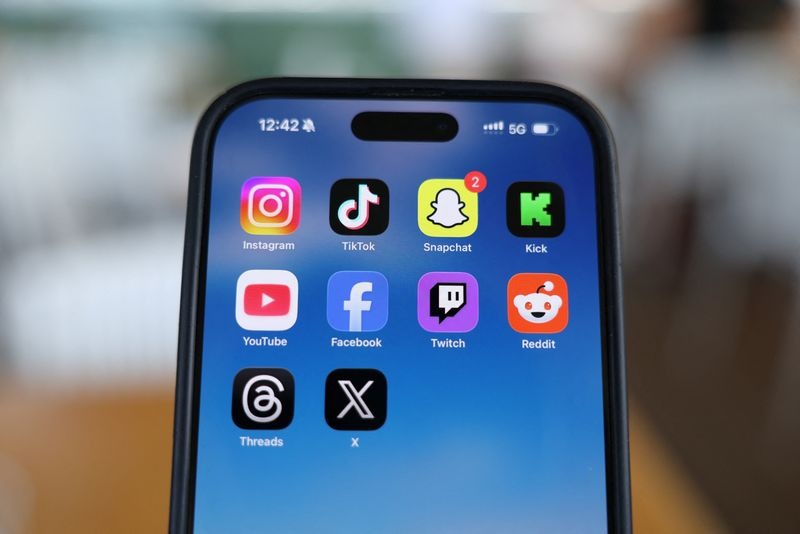
According to Frieze‘s Kimi Zarate-Smith, nearly 5 million social media accounts belonging to Australian teenagers have been deactivated since the ban took effect on Dec. 10, 2025, across Instagram, Facebook, TikTok, X, Kick, Reddit, Snapchat, YouTube and Twitch. In her opinion piece, she argues the law “disempowers teenagers” and leaves young artists without the networks many working artists now depend on.
“I can’t imagine not growing up with the internet as an artist,” Lance Zuniga, a 21-year-old fine art student at the Royal Melbourne Institute of Technology, told Frieze. “I started posting my art when I was 14. I made fan art about hip hop artists, and then I started painting.” For Zuniga, Instagram, DeviantArt and Discord were where he built his practice.
The art class of one
Zuniga’s point is about access, not likes. “In the final years of high school, I was the only person in my art class,” he told Frieze. “Social media is an outlet to share work and gain critique, which isn’t readily available in person.” He said talking only to artists in Australia and New Zealand left him feeling “stuck,” and that reaching out to American and European artists helped inspire him.
Zarate-Smith notes that more than 25 percent of Australians live in rural areas, and argues kids there are hit harder than those in better-connected cities. Zuniga warned that losing what he calls “peer-to-peer learning” will slow down younger artists, and that the ban “removes that evidence of practice” from this generation’s cultural record.
The fans just disappeared
The ban hit artists on the other side of the screen too. According to Reuters‘ Christine Chen, creators started reporting drops in followers and views the day after the ban began. Indie musician Harry Kirby, 18, who has more than 180,000 followers, said a “good part” of them were under 16 and he had already lost 1,000 on Instagram. “They just vanished,” he said. “It genuinely sucks to lose direct connection with any fans.”
That matters for income, Reuters noted, in an industry where metrics drive brand deals and ad money. Comedian Mitch Dale said he used to post at 3:30 p.m., right when kids got home from school, and might rethink that. Some creators opened accounts on platforms the ban doesn’t cover yet, or started mailing lists to keep in touch with young followers.
Music feels it at the discovery stage
According to Billboard‘s Lars Brandle, a national YouGov poll by youth music group The Push found 70% of young Australians discover new music on social media. The Push CEO Kate Duncan told Billboard that “without accessible entry points, we risk losing the next generation of live music audiences,” and called for funding all-ages gigs, youth-led events and cheaper tickets. Eighty percent of those surveyed said they’d back a government program to help young people organize or attend music events.
One artist manager, speaking anonymously, told Billboard that lots of artists built online fanbases in their early to mid-teens that became “the foundations for big commercial success,” so holding Australian teens back could handicap them. Maggie Collins of the Association of Artist Managers was more hopeful, saying kids forced offline may go looking for music in “more manual / analogue ways.” ABC’s triple j Unearthed told young artists whose accounts were frozen: “we’re still here.”
Did it even work?
Nearly a year in, the answer is messy. According to EducationDaily, platforms removed about 4.7 million accounts by mid-January. But the eSafety Commissioner’s own three-month evaluation found that while account ownership among under-16s fell from 52.4% to 42.1%, use of the restricted platforms barely moved, dropping from 85.9% to 81.5%. Kids can still watch public videos without logging in, and some use a parent’s or sibling’s account.
The law is also being tested in court. EducationDaily reported that the High Court heard challenges from Reddit and the Digital Freedom Project on Nov. 3 and 4, arguing the ban infringes the implied freedom of political communication. The court has reserved its decision. Meanwhile other countries are following Australia’s lead: the U.K. announced its own under-16 ban in June, expected to take effect in 2027, and Denmark plans a cutoff at 15.
The takeaway
Whatever you think of the ban, it’s a warning about building your whole career on someone else’s platform. One law cost Harry Kirby 1,000 Instagram followers within a day, and the U.K. is lining up its own version. Start a mailing list now, keep a website you control, and give fans a way to reach you that no government or app can switch off. If young people are part of your audience, show up where they still can: all-ages shows, school programs, local workshops and radio. And if you’re a working artist, remember what Zuniga lost: a place to get feedback. Offering critique, mentoring or open studio time to younger artists in your area is networking that pays forward.
Image: Reuters