


Toronto restaurants and shops have leaned on AI-made images to sell their food, and plenty of locals, along with some business owners, say that turns them off.
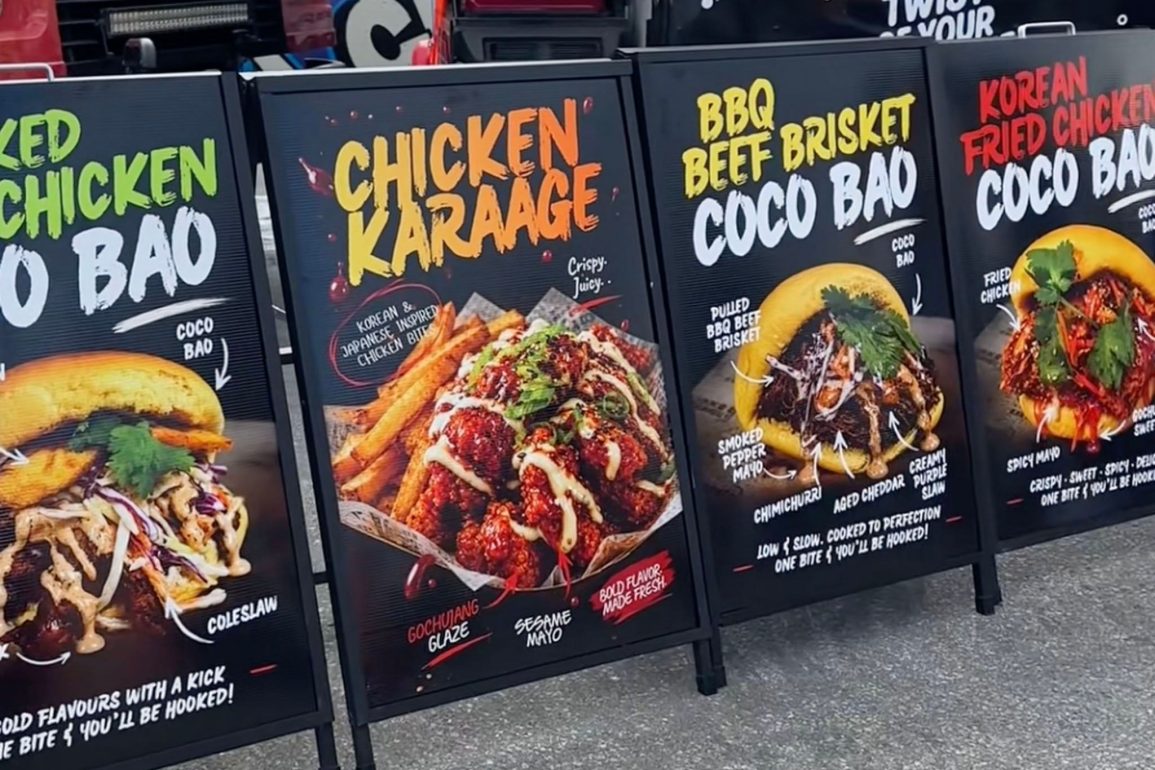
Glossy burgers that look like plastic. Shrimp shaped like doughnuts. In Toronto, the AI menu has turned into a local argument.
According to blogTO‘s Phoebe Knight, the so-called “AI slop menu” is an invention of 2026, the year restaurants and food businesses started using cheaper AI-generated images for product shots and marketing in place of work made by people. blogTO went out on the street and asked residents whether they’d support businesses that use AI art. Answers were mixed, but most leaned toward no.
The main complaint was hypocrisy. Small businesses ask customers to support them, then skip paying small artists. One person blogTO talked to, an artist himself, put it plainly: “Why am I going to support a business that supports something that threatens my livelihood and my well-being?”
Most of the people interviewed still understood why a business might use AI, whether to save money or time. They just didn’t agree with it.
Diners say it looks fake
The backlash didn’t start this week. According to CBC News‘ Abby Hughes, diners have been posting photos of sandwich boards and window displays with food that looks rubbery and surreal. One Reddit user wrote that a board full of oddly geometric shrimp and gyros “looks like what aliens would put in a presentation about what Earth food is.” Others called a sandwich image at the CNE, the Canadian National Exhibition, that they took to be AI-made “uncanny and nauseating.”
For some Toronto customers, the images say something about the business. “I feel like it’s really inauthentic and it doesn’t make me wanna go eat at your restaurant,” Cynthia Lem told CBC.
The business side of it
Owners have their reasons. CBC cited a Restaurants Canada survey of some of its members in which 41 per cent said they were losing money or just breaking even. David Pullara, a business consultant who teaches marketing at the Schulich School of Business, said hiring a professional photographer can be out of reach for a small restaurant.
Pullara isn’t against the tech. He’s against bad results. “Great food photography sells,” he said. “So if you’re using AI to generate an image that’s terrible, it’s going to hurt your sales, it’s going to hurt your brand.”
Fez Mian, a marketing manager at Canadian burger franchise The Fancy Induced Burger, told CBC that staff snap phone photos of food and run them through tools like ChatGPT to boost texture and freshness, then use them on menus, posters and online. The company now relies less on professional photographers and graphic designers. “Within … five minutes, 10 minutes it’s out the door,” Mian said. He added that a person always checks the images so no extra ingredients get added.
Owners who said no
Not every business is buying in. According to yourcitywithIN‘s Amy Carlberg, some Toronto small business owners are asking others to drop AI marketing altogether.
Little Ghosts, a horror-themed bookshop, has a strict no-AI policy covering its own imprint, its buying and its marketing. “We’re against AI marketing because we are pro artists and creators being paid for their work,” owner Chris Krawczyk said. Krawczyk also described watching well-meaning small business owners get “dogpiled” for using AI on social media.
Michael Lam, chef and owner of the sub and ice cream shop Good Behaviour, said his marketing is the people behind the business, from the designers who made the brand to the staff who appear in its posts. “We’d rather our marketing be a bit less polished and be real,” he said.
Krawczyk had direct advice for owners on a budget: “I promise you there are students, creatives, local designers, and many other freelancers who would be so happy to make you something.” Krawczyk’s other suggestions: put up a call for work at the local library or arts college, or grab a high school art student.
Where artists fit in
Toronto food stylist Zoe Rousseau, who has worked with Shake Shack and Boston Pizza, told CBC they understand why small businesses try AI, but if the image “doesn’t look like the food,” it won’t bring customers in. “I think that restaurateurs are better off taking pictures with their iPhone,” Rousseau said.
Rousseau isn’t worried about losing work to AI, and hopes the backlash pushes more businesses to hire stylists and photographers. “I can play with texture and I can play with angles,” they said. “Just the freshness of it … the AI can’t do that.”
The takeaway
Plenty of local businesses still need a menu, a sign or a social post every week, and their customers are noticing who made it. That’s a pitch. Reach out to the cafe, food truck or shop near you with a real offer: a simple price, a fast turnaround, and the promise that the image shows their actual product. Owners mostly pick AI to save money and time, so make hiring you easy and quick. And when you do the job, ask if you can be credited on the board or the post. Customers are clearly paying attention to who makes this stuff, so let them see your name.
Image: blogTO