


Instagram chief Adam Mosseri says Meta’s new Muse AI agent is good for three things right now, and every one of them is a job independent artists already do by hand, usually at midnight.
Post ideas, figuring out what actually worked, keeping up with what people are talking about. That’s the unpaid marketing shift most artists pull after the real work is done. Now the guy who runs Instagram says an AI agent can take a chunk of it.
According to Music Ally‘s Marlen Hüllbrock, Meta’s Muse agent arrived in the UK this week, following its U.S. launch in September, and Mosseri has laid out how people who run social accounts should use it. He boiled it down to three jobs: generating ideas, reviewing past posts, and spotting trends.
Job one: ideas, in bulk
Mosseri made the case in an interview with creator Marina Mogilko, who posts as “Silicon Valley Girl.” According to Social Media Today‘s Andrew Hutchinson, he described the method like this: “If you’re trying to come up with more ideas, telling [Muse] what your goal is, then asking it for 10, 20, 30, 50 ideas, telling Muse which ones you like and which you don’t and iterating, it’s a great way just to get, sometimes, the creative juices going.”
The key word is goal. Don’t ask for “content ideas.” Tell it what you’re after, like more commission inquiries or print sales, then keep pushing back until the list sounds like you.
Job two: your archive, graded
Muse can also go through an account’s posts, sort them into categories and show what performed and what didn’t, Music Ally reported. Mogilko said on her podcast that this is where it surprised her. It flagged that her family lifestyle content wasn’t reaching new people but was re-engaging her existing audience. “All the other tools would tell me to just drop that content because I’m not growing with it,” she said.
For artists, the process video that doesn’t go viral might be the post that keeps collectors coming back. Mosseri made a similar point in the same conversation: “You always have to look at engagement rates, not just totals.” For reaching people who don’t follow you, he said the big signal is sends per impression, meaning how many people out of every thousand shared your reel with a friend. For your existing followers, he said watch time and like rate matter more.
Job three: trends, beyond Instagram
The third use is trend spotting. “So for your audience, or for your industry, what are the trends that are happening right now on social media, not even just on Instagram,” Mosseri said, per Social Media Today. “Because that might surface conversations that you might want to jump in, for instance.”
He told Mogilko that Muse is “surprisingly good with very little work at understanding trends right now.” Audience analysis is the weak spot: Instagram is still working on it, including identifying an account’s most influential followers, both Music Ally and Social Media Today reported.
One habit worth stealing: Mosseri said he has Muse read his message requests and flag notable people and interesting questions, because he had “missed big names” who DM’d him before. For an artist, that buried message could be a gallery, a buyer or a collab.
Where Muse lives now
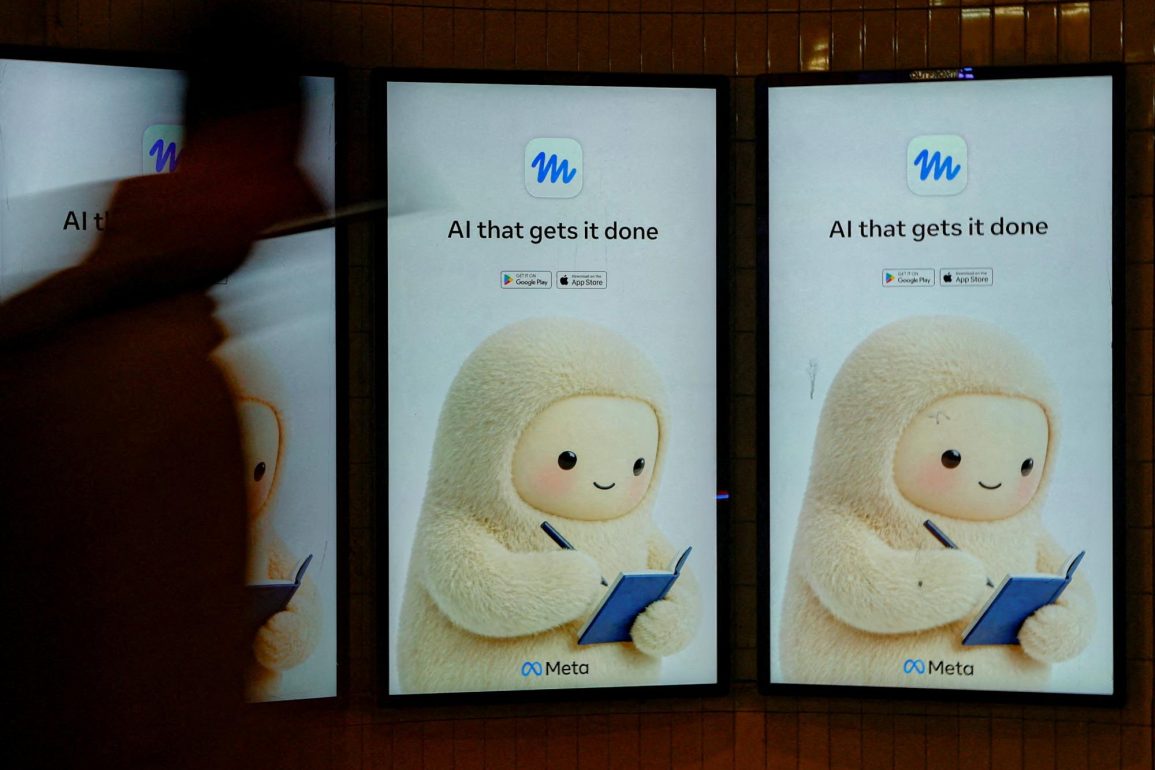
Meta is pushing Muse into the apps you already use. According to TechCrunch‘s Aisha Malik, Instagram users can now chat with Muse in a DM thread, rolling out in the U.S., Canada, Mexico, Japan and Singapore. Users can also ask it to sort saved posts into Collections, a feature launching in the U.S. and Canada. Meta says nothing is shared, published or sent without the user’s approval.
The Guardian‘s Dan Milmo reported that Muse has been downloaded millions of times in the U.S. and ranked first and second on Google’s and Apple’s free app charts. He also noted UK regulators are watching the launch closely over privacy and consumer protection, and that Reuters had reported glitches flagged by Meta’s own employees, most of which the Guardian understood came from a bug that has since been fixed.
Use it, don’t let it use you
Not every use is one Meta brags about. Social Media Today noted that Meta pulled a Muse ad promoting alerts about who unfollowed you, as Business Insider reported, and Wired reported some people are using it to unfollow accounts that don’t follow them back.
And Mosseri himself warned about what you get out of the box. “These models are smart, but they’re the average of the internet out of the box,” he told Mogilko. The fix, he said, is feedback loops: tell it what’s working and what isn’t so it learns over time.
The takeaway
Muse won’t make your art, and it shouldn’t write in a voice that isn’t yours. But the boring half of the job, brainstorming, analytics and trend watching, is what Instagram’s own boss says it’s built for. Give it a clear goal, grade your archive by engagement rate instead of raw views, and use it to catch the DMs and conversations you’d otherwise miss. Treat every idea it hands you as a first draft. The average of the internet is the one thing an independent artist can’t afford to sound like.
Image: The Guardian