

Sarah Meyohas launched her own artist currency in 2015, months before Ethereum went live. Now a Bitchcoin token is on view in a major German museum show, next to video-art giants, and the way it got there is a lesson for every artist minting work today.
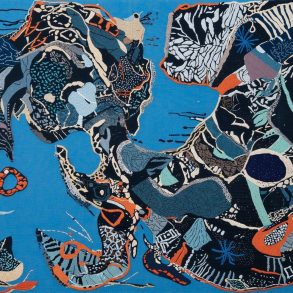
Crypto art just got another museum wall. According to CATALOGUE, Bitchcoin #9.026 by artist Sarah Meyohas is part of Unstable Media in the 21st Century, which opened at the Hamburger Kunsthalle in Hamburg, Germany, on Nov. 19 and runs through May 2, 2027. The piece comes from the Centre Pompidou in Paris, which is closed for renovation until 2030 and has sent part of its New Media collection on the road.
A museum show about art that won’t sit still
The Kunsthalle’s press materials describe around 40 landmark works from the Pompidou’s New Media collection, which was started in the mid-1970s and now holds more than 3,000 works. The show is curated by Marcella Lista, chief curator of that collection, and Corinne Diserens, the Kunsthalle’s head of contemporary art, and it’s split into nine chapters. The museum’s pitch is that new technologies come and go, which clashes with the permanence a museum collection usually expects, yet they leave a lasting mark on how we see.
The artist list mixes video pioneers like Harun Farocki, Christian Marclay, Pierre Huyghe and Hito Steyerl with artists who work on the blockchain. Besides Meyohas, the lineup includes Robert Alice, Rhea Myers, and Holly Herndon & Mat Dryhurst. CATALOGUE noted that Alice and Myers are, like Meyohas, part of the Pompidou’s blockchain holdings.
Northern Germany’s public broadcaster NDR reported from the opening that the show runs across two floors of the museum’s Galerie der Gegenwart and asks visitors to bring plenty of time for the films and wall texts. NDR described Meyohas’ piece as a video that playfully recalls Bitcoin, set in dialogue with older works like Francis Alÿs’ tribute to analog film. “The medium has changed. It consists of light, sound and networks,” Lista told NDR (translated from German).
Writing for WELT, Julika Pohle called the show labyrinthine and said the Pompidou lent work by 43 artists. Pohle wrote that the artists keep questioning both the possibilities and the shortcomings of digital media, and she highlighted pieces like Éric Baudelaire’s sound installation, in which three AI language models argue with each other about truth and storytelling.
The coin that came before Ethereum
Meyohas’ story is the crypto heart of the show. CATALOGUE reported that she launched Bitchcoin in February 2015 as a social token that could be traded for her work, with each coin backed by a 25-square-inch piece of her Speculations photographs, kept in a vault until someone redeemed them. It first ran as a fork of Bitcoin, and buyers got a paper certificate that unlocked their wallet, so handing over the paper meant handing over the coin.
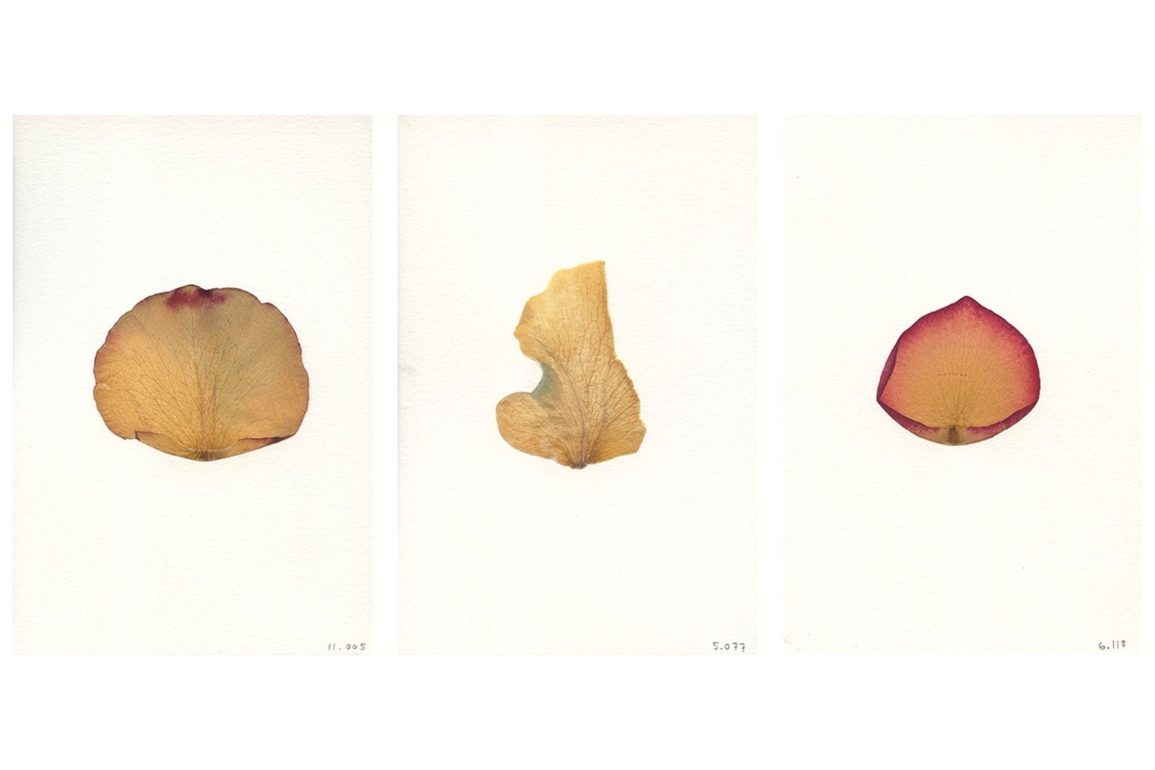
Then the backing changed. For her 2017 project Cloud of Petals, CATALOGUE wrote, Meyohas had workers at the former Bell Labs site in New Jersey open thousands of roses by hand and photograph 100,000 petals to train an AI that could invent new ones. One petal from each rose was pressed, and 3,291 survived. In early 2021, each of those pressed petals was minted as a token on Ethereum. That’s why the tokens have names like #11.005 and #5.077, and why the coin is now backed by petals rather than photos.
How it got into the collection
The Hamburg show didn’t happen by luck. In a February 2023 press release, the Centre Pompidou said its acquisitions committee picked 18 projects by 13 artists dealing with blockchains on Jan. 18, 2023, the first set of NFTs acquired by a French public institution. Meyohas went in with both Bitchcoin and Cloud of Petals, next to Larva Labs’ CryptoPunk #110, Rafaël Rozendaal, Jonas Lund, Robness and others.
The museum was blunt about what it wanted. It said the goal was “not so much to focus on the cultural phenomenon of ‘collectibles'” as to collect “the most daring creative uses” of the technology, picking works that could hold up “over and above the media hype of the market.”
Meyohas isn’t standing still, either. CATALOGUE noted she heads to Art Basel Miami Beach next week with Marianne Boesky Gallery in the Zero 10 digital section, with a physical piece, a glass tank of ferrofluid that shapes a sound environment.
The takeaway
Museums aren’t collecting crypto art because of the price charts. The Pompidou said so out loud: it passed on collectibles and picked projects with an idea behind them. Bitchcoin made it because it asked a real question, what an artist’s work is worth and who decides, and then kept evolving for a decade. If you’re minting today, think less about the drop and more about the concept. Document your process, keep your certificates, contracts and on-chain records clean, and build a body of work that can still be explained in ten years. Two floors of a German museum just showed that a token can outlast the hype if the art behind it is strong.
Image: Sarah Meyohas, Bitchcoin #11.005, #5.077 and #6.118, 2021, courtesy Studio Meyohas, via CATALOGUE