


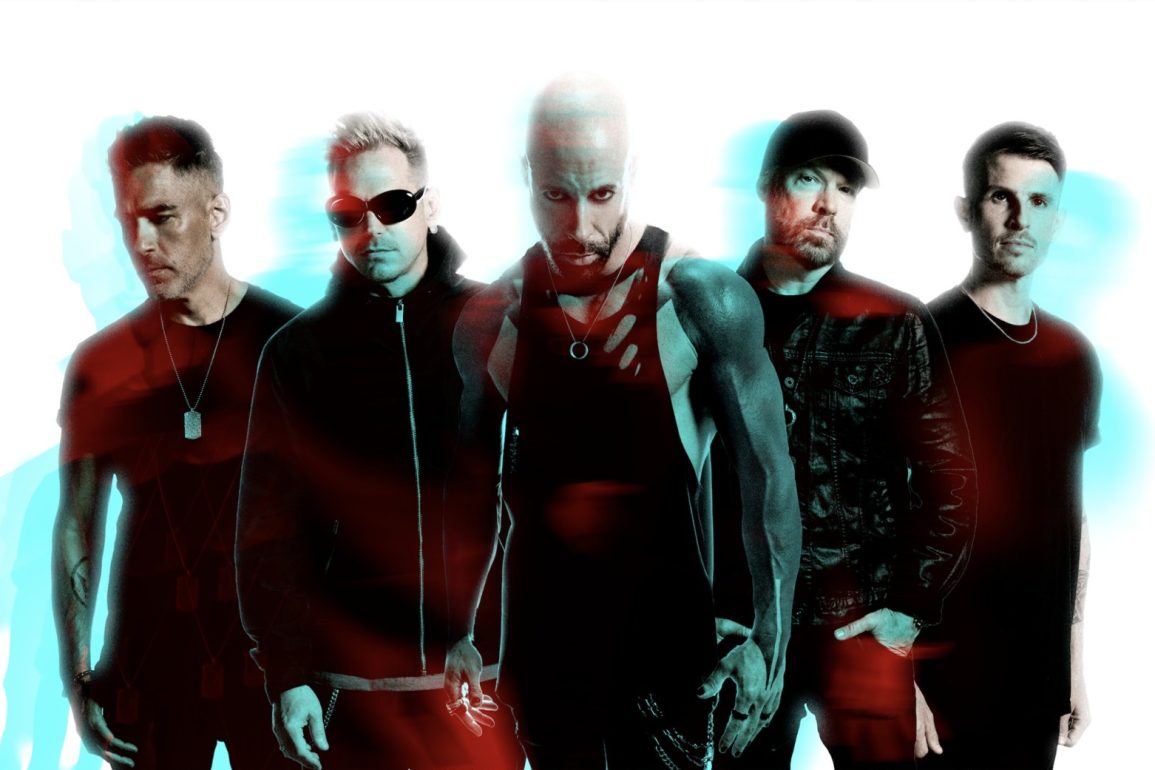
Chris Daughtry finished fourth on “American Idol,” then sold about 304,000 albums in a week, and 20 years later he’s back in theaters with an acoustic tour and a stack of $20 tickets.
Fourth place. That’s where Chris Daughtry landed on “American Idol” in 2006. No crown, no confetti, no winner’s single. Then his band’s first album came out and debuted at No. 2 in the country.
According to Men’s Journal‘s Simon Mwebaze, the self-titled Daughtry came out on Nov. 21, 2006, and sold about 304,000 copies in its opening week. It entered the Billboard 200 at No. 2 and became the fastest-selling rock debut in Nielsen SoundScan history, a tracking era that started in 1991. Saturday marked the album’s 20th anniversary.
The long way to No. 1
The first week was only the start. Men’s Journal reported that the album hit No. 1 in its ninth week on the chart, selling 65,000 copies and edging the Dreamgirls soundtrack by about 130.
That wasn’t luck alone. According to Billboard‘s staff, writing that week in January 2007, it was the slimmest margin ever between the top two albums on the chart. The album had debuted at No. 2 with 304,000 and never dropped out of the top 11. Its 30% sales jump that week was likely owed to the hype around the new season of “Idol,” a hot radio single in “It’s Not Over” and an $11.99 sale price at Circuit City, Billboard said.
And it happened in a rough market. Billboard noted it was the third week in a row that the No. 1 album had moved fewer than 100,000 copies, something that hadn’t happened since May and June of 1991.
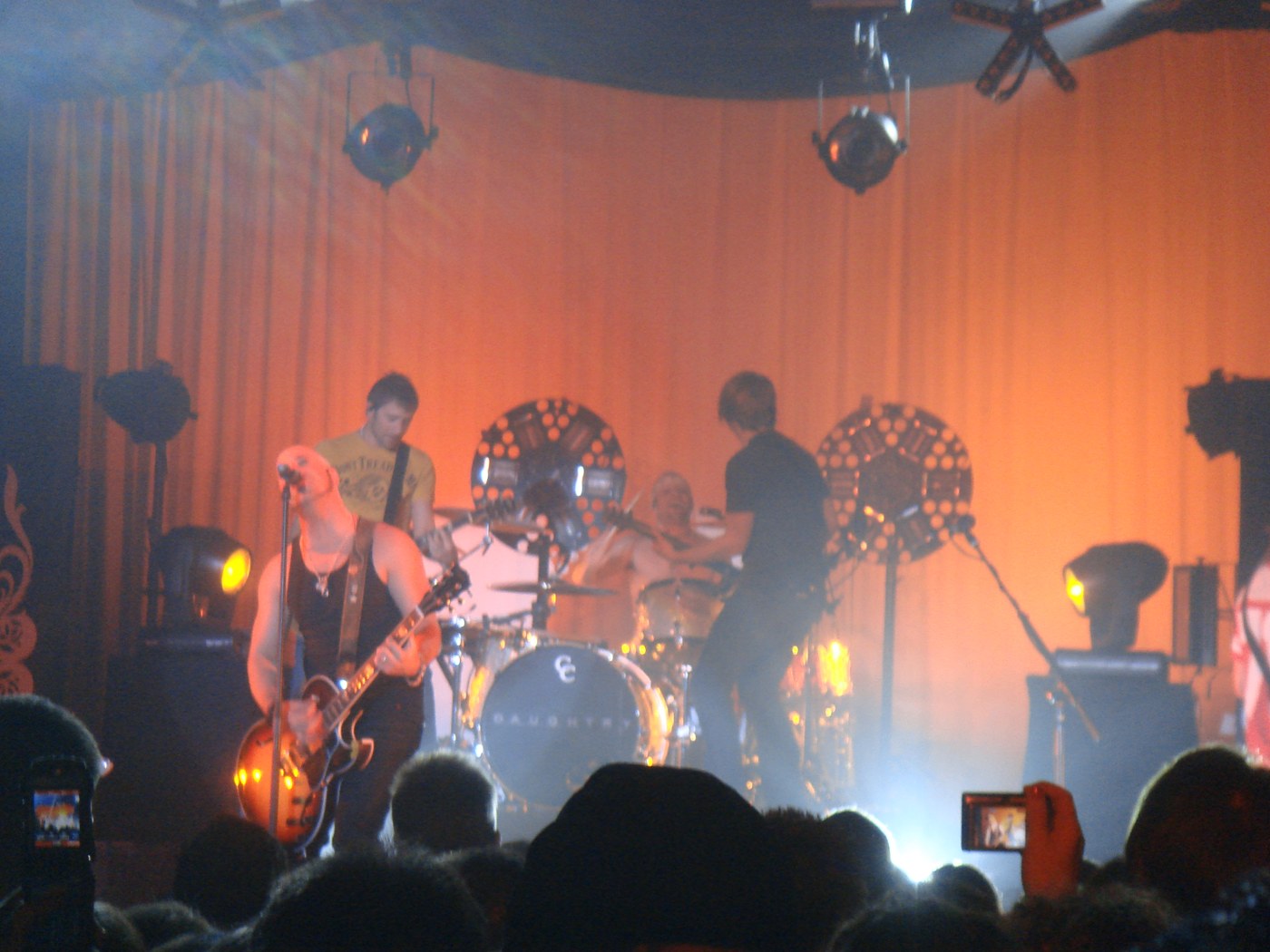
“So they’re the ones that are making it for us”
By the end of 2007, the run was historic. In a December 2007 Q&A, Billboard‘s Gary Graff reported that the album’s 2.287 million copies made it the top-selling album by an artist that year. It had topped the Billboard 200 for two weeks, led the Top Rock Albums chart for 14 and was up for four Grammys, including best rock song for “It’s Not Over.” Graff also noted Daughtry had turned down an offer to become lead singer of the rock band Fuel.
Asked why it all took off, Daughtry didn’t credit a formula. “I’m really not sure, to be honest with you. The only thing I can really attribute it to is the fan base,” he told Graff. “They’ve continued to come to our shows. It doesn’t matter how good you are as a band or how good your music may be; if the fans aren’t supporting it and buying your music, it’s hard to make it.”
He said fans saw the band as “regular dudes,” adding: “These are five guys who worked hard to get where they are.”
Twenty years later, stripped down
For the anniversary, the band went small on purpose. According to Pollstar‘s Marc Griffin, the “20 Years Unplugged” tour opened with a 22-date fall run from Troy, New York, on Oct. 12 to Dallas on Nov. 14, with Buffalo singer-songwriter Ryan Perdz supporting. A second leg of 26 dates starts Jan. 23, 2027, in Pine Bluff, Arkansas, and wraps March 7 at the Tabernacle in Atlanta. An official press release quoted by Pollstar promised to put “arena-sized songs into a stripped-back setting.”
Then there’s the price play. According to TicketNews‘ Victoria Drum, a limited number of $20 tickets is being offered for each newly announced show while supplies last. The acoustic format, she wrote, is designed to bring listeners closer to the lyrics and stories behind the songs.
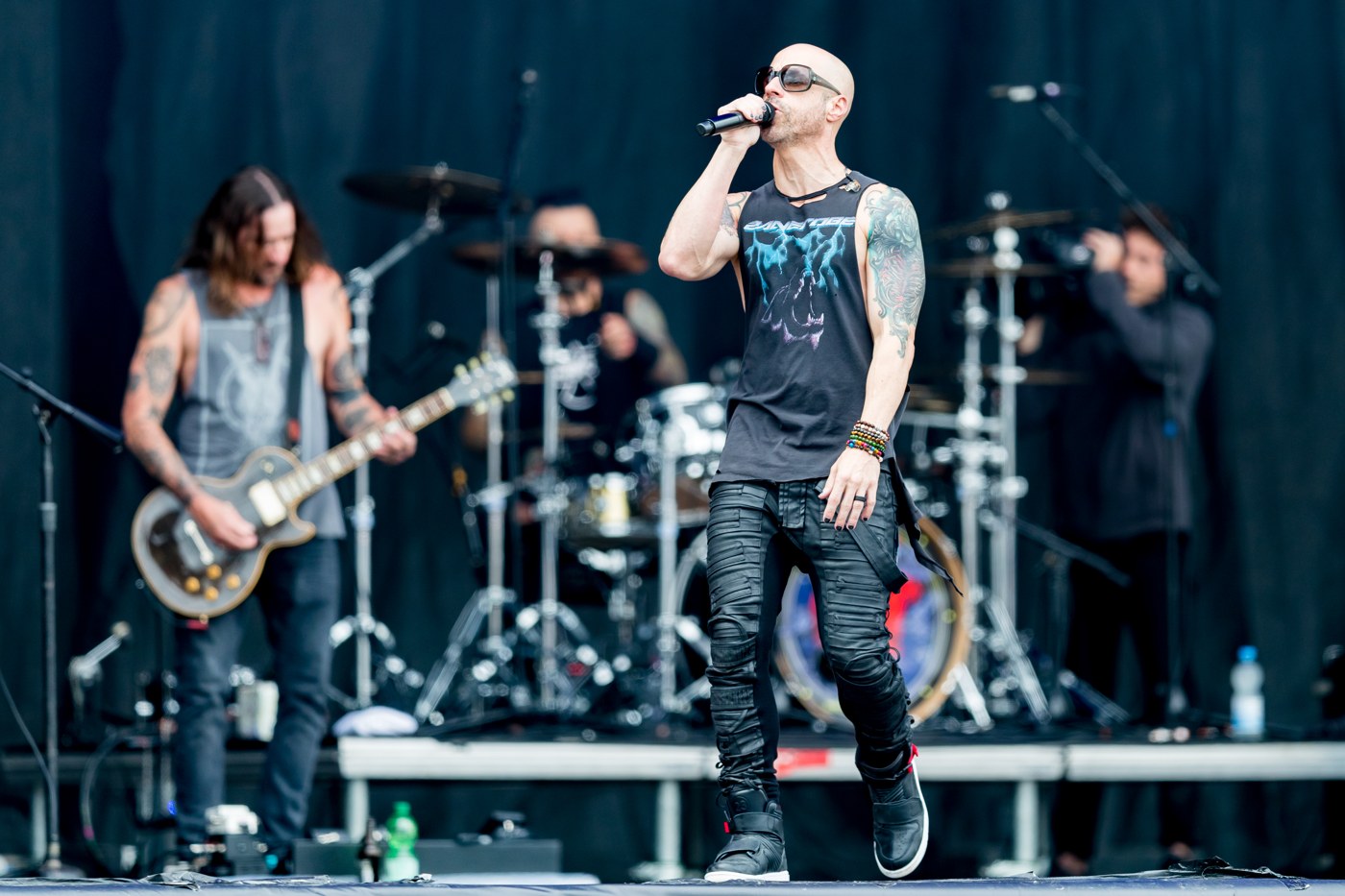
The room still sings
It’s working. According to The Heart Sounds‘ Paola Miano, every seat at San Antonio’s Aztec Theatre was taken when the tour came through on Nov. 13. Daughtry sat on a stool with a guitar on a stage dressed in flowers, told stories between songs and opened with “Crawling Back to You.” He told the crowd he could really feel the love.
By the encore of “It’s Not Over,” “Home” and “Over You,” Miano wrote, half the room was on its feet, swaying. Earlier, opener Ryan Perdz used his slot to push his own originals, from “Sour” to “Temporary,” to a crowd that came for somebody else.
The takeaway
Most of us won’t get a network TV launch. But look at what kept Daughtry going after the cameras left: an album that climbed for nine weeks instead of fading after one, a sale price and a radio single working together, and a singer who said flat out that fans buying records and showing up to shows were the whole reason. Two decades on, the move is the same at a different size: smaller rooms, stripped-down songs, stories between them, and a $20 ticket so the people who stuck around can still get in the door. Your second place, or your fourth, isn’t the end of the story. Your fans are the story. Price for them, play for them, and give the opening slot to someone who’ll hustle as hard as you did.
Image: Pollstar