
Jennifer and Kevin McCoy gave a film to the Whitney in 2019 and handed the donor credit to 50 strangers as Ethereum tokens. Now the film is on view, and the first visitor who spots the key hidden in it gets added as donor No. 51.
Want your name on a museum wall? You don’t need a fat checkbook. You need sharp eyes.
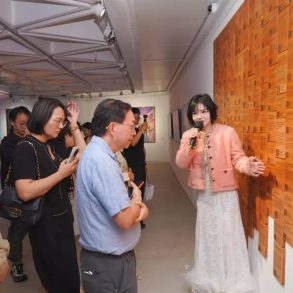
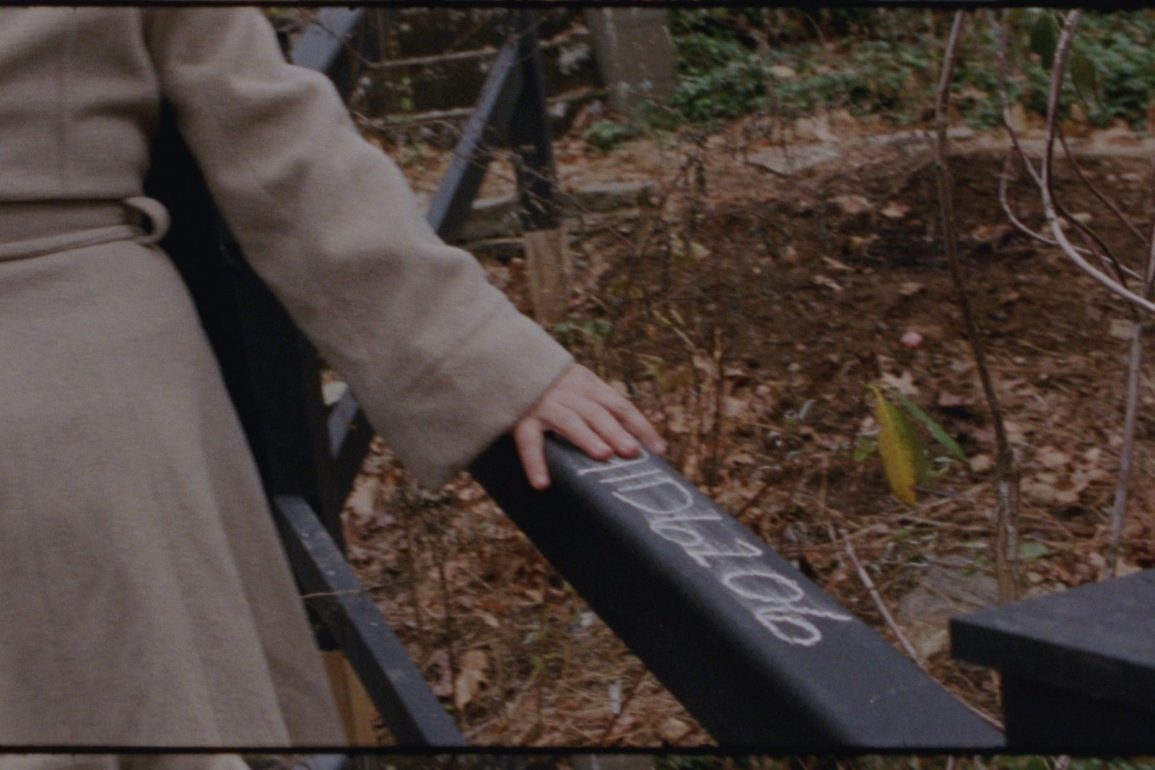
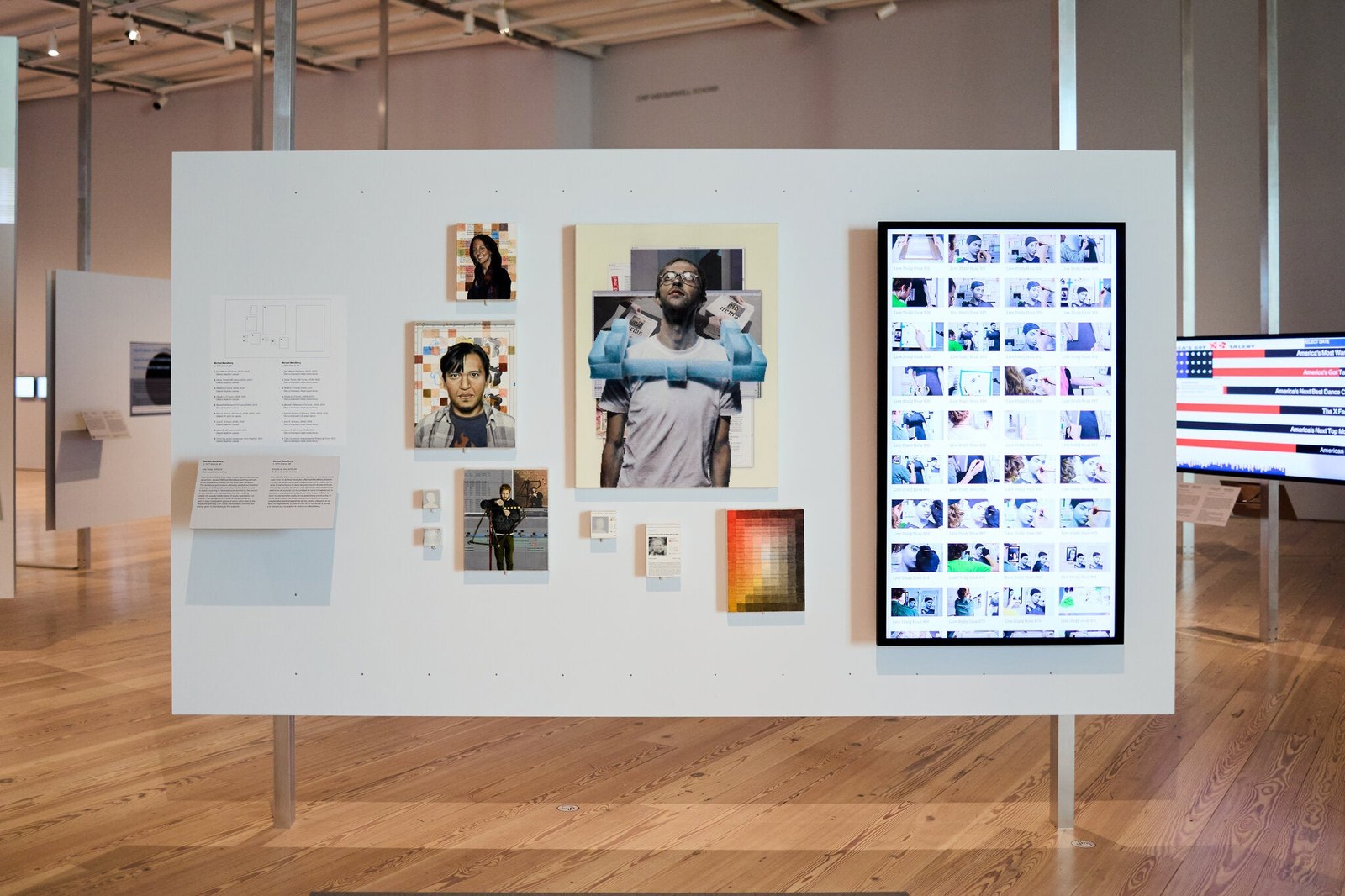
According to CATALOGUE, a 16mm film by artists Jennifer and Kevin McCoy is now playing on the sixth floor of the Whitney Museum of American Art in New York, and somewhere in it is a string of characters that will make one viewer a donor to the museum. The piece is Public Key / Private Key, and it’s part of artport: A History of Internet Art, on view through March 28, 2027.
The Whitney’s own project page spells out the deal: the film has a blockchain key embedded in it, and while it’s shown in the exhibition, the first audience member to notice that key and submit it to the artists becomes the 51st donor of record.
Fifty donors who never wrote a big check
The project started in March 2019. The McCoys donated the film to the Whitney’s Special Collection on behalf of the public, then opened a page where anyone could register and explain why they wanted to be a donor. Fifty were picked for the originality of their answers.
According to Artnet News‘ Tim Schneider (who covered the 2019 launch), the McCoys asked for a good pitch, not a big bank account. “I don’t think people realize how small these circles are that control the culture we see,” Jennifer McCoy told Artnet at the time. “I hope that by letting 50 more people who don’t have money through the [patronage] door that maybe that’s helping.”
Where the crypto comes in
Each winner got a certificate that lived on a blockchain. CATALOGUE reports it was an ERC-721 token on Ethereum, issued through Monegraph, the artwork title registry Kevin McCoy launched in 2014, along with an OpenLaw smart contract. Unlike a normal museum credit, it could be gifted, traded or sold.
That flips how museums usually work. The Whitney’s page notes that when a museum acquires a work, its market life typically ends and the donor’s name gets locked to the gift. The McCoys wanted to “extend the after-market life” of the piece, Artnet reported. The Whitney tracked the changing list of holders on its website for six months, and the original 50 donors were recorded through Nov. 4, 2019, per the museum.
CATALOGUE says the credit line today reads like a roll call of the net art scene, from Furtherfield and LoVid to Michael Mandiberg, Mark Tribe and Yael Kanarek. One donor, artist Travis LeRoy Southworth, posted this week that he took his 11-year-old to the show, and the kid “couldn’t believe” his dad was listed as a donor.
“Blockchains can unlock processes that are normally hidden,” Kevin McCoy posted on X this week. “With this project we wanted to open up the mysterious world of museum donations to the public.”
A film built like a puzzle
The film itself was made to be hard to read. Per CATALOGUE, it was shot at Lake Oscawana in New York State and follows actor Gillian Chadsey as she climbs a long stairway from a lakeside dock to a cabin, passing number-and-letter codes worked into the landscape, one written along a handrail. “We thought that mirrored the obscurity of blockchain,” Kevin McCoy told Artnet back in 2019. “It has properties of immutability, but it is conceptually abstract.” No screenings were scheduled back then, which is why this showing is what puts the 51st-donor clause in play.
It fits a long run of McCoy projects about who gets to own art, including Kevin McCoy’s Quantum, minted in 2014 and, per CATALOGUE, widely cited as the first NFT artwork.
A whole floor for internet art
According to The New York Times‘ Tina Rivers Ryan, the exhibition surveys more than 100 internet-based artworks commissioned for the Whitney’s website since 2001. ARTnews‘ Alex Greenberger called it an outlier, noting how rare it is for a New York museum to turn over an entire floor to digital art.
Curator Christiane Paul, who launched artport in 2001, told ARTnews that the works are commissioned under non-exclusive licenses, and that since artport officially joined the collection in 2015, its artists get lifetime membership status and are treated the same as other collection artists. Paul also described the duo Operator’s Human Unreadable, a generative choreography on the blockchain whose first act turned movement sequences into large black-and-white images sold as NFTs.
The takeaway
The McCoys used the blockchain for something besides flipping JPEGs: handing out access, credit and a little power to people who were never getting through the museum’s front door. For independent artists, that’s the lesson. A token can be a ticket into the room, not just a price tag. Build in a way for your fans to participate, make the rules clear, and keep a public record of who’s in. And don’t sleep on the non-exclusive license: the artport artists got a museum commission without giving up their work.
Image: CATALOGUE