


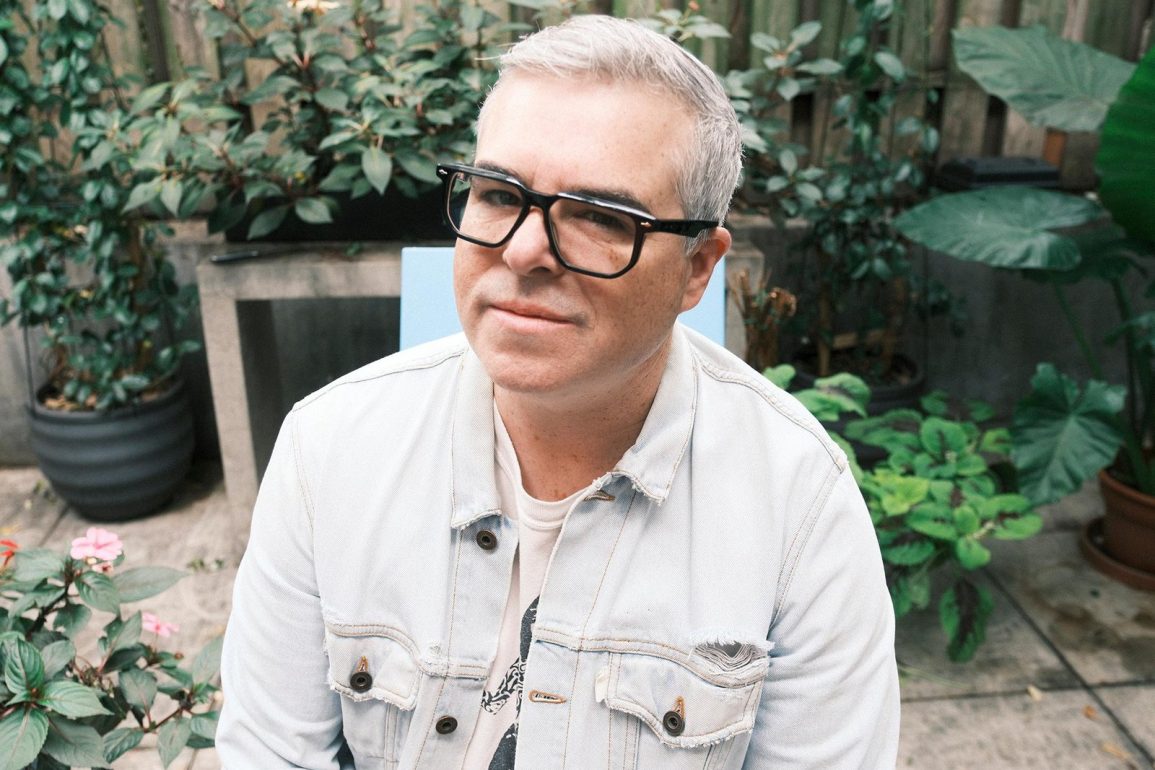
Ryan Schreiber started Pitchfork as a bullied Minneapolis teenager with a computer and a lot of nerve, sold it to Condé Nast for survival, and now his memoir is out with the receipts.
No journalism degree. No clue how the music business worked. No permission. Just a kid in the Minneapolis suburbs who figured if nobody else was going to write the music reviews he wanted to read, he’d do it himself.
That kid was Ryan Schreiber, and the site became Pitchfork. According to The Guardian‘s Owen Myers, Schreiber launched it in 1995 as Turntable and renamed it Pitchfork a year later. He sold it to Condé Nast in 2015 and quit in 2018. His memoir, Weird Era: How Pitchfork Changed Music Forever, comes out Dec. 1 in the U.S., and it’s the first time he’s opened up about the sale since he left.
“I could literally just start doing this by myself”
Schreiber grew up a loner in a blue-collar suburb and was relentlessly bullied, the Guardian reported. Music was his escape, and zines showed him a way in. “Zine culture made me feel that I could do this in a way that doesn’t have to be from a formally educated, journalism degree background,” he told Myers. “When I got online, I was like, ‘I could literally just start doing this by myself.'”
He cold-called record labels anyway and landed interviews with Low, Kelley Deal and Modest Mouse. Years of bullying, he said, had already given him thick skin.
According to The Associated Press‘ Maria Sherman, the book borrows a line that sums up the whole hustle: “If you don’t do it, someone else will. So why shouldn’t it be you?” Schreiber told the AP he wanted Pitchfork “to be tougher than other critics, in part because it was a white space that I could see was available.”
A decimal point and a pile of promo CDs
The site’s trademark became its scores. In a review of the memoir for his newsletter Evil Speakers, critic Steven Hyden says Schreiber first tried percentages, then switched to a 10-point scale, then added the decimal. “Why not a decimal? It was cleaner, easier to read and decipher — and best of all, it was funny,” Schreiber writes.
Not every bet paid off. Hyden writes that when Schreiber gave a rare 10.0 to a little-known Texas band, …And You Will Know Us by the Trail of Dead, readers were more annoyed than curious. So he tried again. He pulled Broken Social Scene’s You Forgot It in People out of a pile of promo CDs, gave it a 9.2 and splashed the band’s tour announcement across the site like breaking news. The album went on to sell several hundred thousand copies.
“I’d plucked a band from total obscurity and made them real-deal famous, all with the power of my little homemade website,” Schreiber writes. Hyden, who calls the book an essential read for anyone into music history, also scored how its author comes off: a 6.7.
“What if selling out could save us?”
By the mid-2010s, the money was drying up. The Guardian reported Pitchfork had dwindling ad revenue and a staff of 50 to pay. “Many of the advertisers that had supported Pitchfork were jumping ship and doing social media marketing. … It was dramatic, how quickly it happened,” Schreiber told the AP. “It was a decision that, at the time, felt like we had better do this or else,” he said.
He wasn’t naive about it. “Like the indie band signing a deal with a major, part of me knew the promises weren’t true,” he writes, per the Guardian. “But I still hoped Pitchfork might be the rare exception.”
It wasn’t. The new ad team pitched brand deals with Topgolf and Dave Matthews’ wine company, and Schreiber told Myers that working under Anna Wintour was “a very harsh reality,” adding: “There was no warmth whatsoever.” He called his last day “one of the worst days.” Then in 2024, Condé Nast folded Pitchfork into GQ, the AP reported, and the Guardian noted most of the staff was laid off.

Starting over
Looking back, Schreiber still wonders. “What if we’d held on? What if we tried to make some of these difficult decisions ourselves that were ultimately made for us?” he told the Guardian. Since leaving, he has advised and managed new artists, DJed at art openings, curated a monthly playlist called What’s Good and started filming TikTok-style video commentary. “There’s a sense of freedom in reinvention,” he said. He also came out as gay in his 40s, a story he tells in the book.
The takeaway
Pitchfork wasn’t built by an insider. It was built by a kid who saw an empty lane, cold-called labels, picked a voice and stuck to it. That part is open to anybody with a laptop today. But the ending is a warning too: when a platform’s ad money dries up, the “or else” moment comes fast, and selling means someone else makes the calls. If you’re building a blog, a playlist, a channel or a fan base, think about what keeps it alive besides advertisers, and decide early what you’d never sign away. And save everything: Schreiber told the AP he kept every email, AIM chat and old review on hard drives, and he leaned on that archive to write the book.
Image: The Guardian